Screenshot 2025 10 16 113112

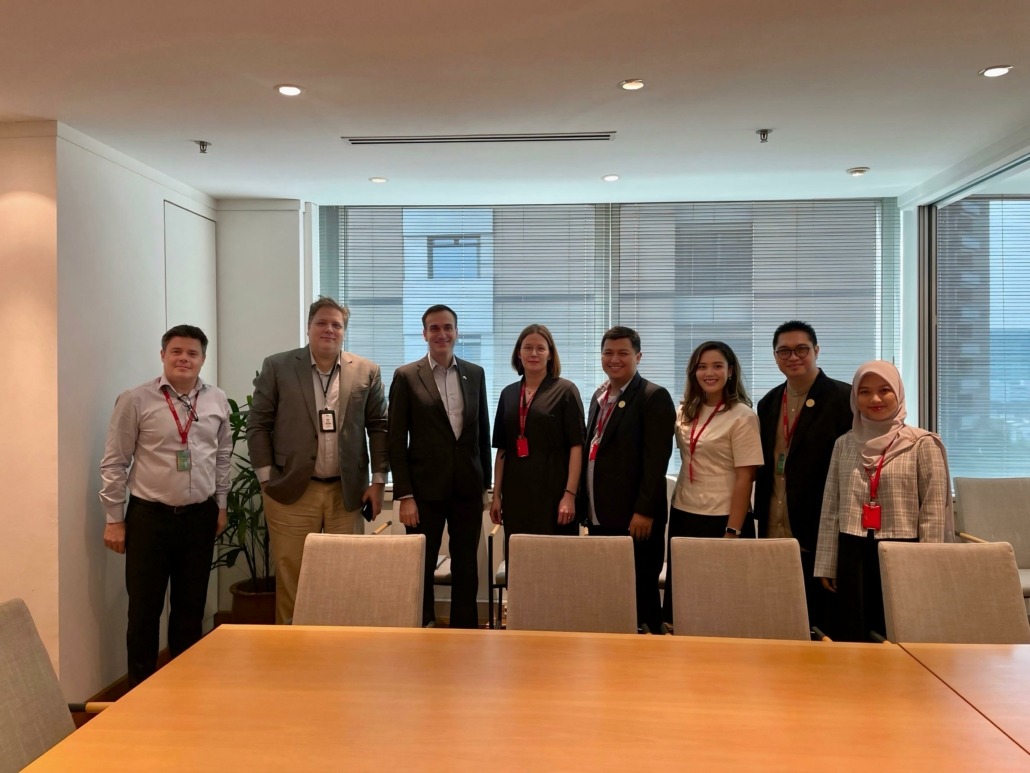
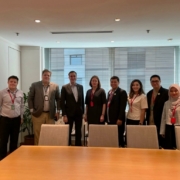
Universitas ‘Aisyiyah (UNISA) Yogyakarta received a courtesy visit from the Bantul Regional Leadership of Muhammadiyah (PDM) on Thursday (08/21/2025). The meeting, which took place in the meeting room of the Siti Walidah Building, was an important moment to strengthen relations and discuss educational development.

Arba Riksawan Qomaru, SE, Chairman of PDM Bantul, explained that in addition to fostering goodwill, their visit also aimed to discuss the progress of the Asy-Syifa Muhammadiyah Bambanglipuro Islamic Boarding School in Bantul.

“We hope that the cooperation between PDM Bantul, especially the Asy-Syifa Islamic Boarding School, and UNISA Yogyakarta in developing and advancing human resources will continue,” said Arba.

The Board of Trustees (BPH) of the Asy-Syifa Islamic Boarding School, Drs. Purwana, MA, who was also present, shared some good news.

“Two alumni of the Asy-Syifa Islamic Boarding School have been accepted as students at UNISA Yogyakarta and have received full scholarships,” he said.

Purwana hopes that in the coming years, more and more Islamic boarding school alumni will continue their studies at UNISA.

UNISA Yogyakarta Vice Rector IV Dr. M. Ali Imron, M.Fis welcomed this visit and the expansion of cooperation. “The cooperation that has been established between UNISA Yogyakarta and Asy-Syifa can be continued in other fields, such as community service and the activeness of UNISA employees who reside in the Bantul area,” he said.

This lively discussion also involved the Institute for Islamic Studies and Practice (LPPI) and UNISA Yogyakarta Vice Rector III, Prof. Dr. Mufdlilah, S.SiT., M.Sc. The meeting demonstrated the commitment of both parties to continue working together to advance da’wah and education within the Muhammadiyah community.

Screenshot 2025 10 16 112413

The case of a toddler dying from intestinal worms in Sukabumi, West Java, is ironic. Endang Koni Suryaningsih, a lecturer in the Midwifery Study Program at the Faculty of Health Sciences (FIKes) of Aisyiyah University (UNISA) Yogyakarta, believes that intestinal worms cannot be considered a minor illness and can be fatal.

“The death of an infant in Sukabumi due to intestinal worms is very concerning and serves as a warning to us all. Many people still consider intestinal worms to be a minor illness, when in fact if left untreated, it can cause serious complications such as severe anemia, malnutrition, and even growth and development disorders in children,” said Endang Koni on Thursday (8/21/2025).

Endang Koni explained that this condition can weaken a child’s immune system, making them vulnerable to other diseases, and in certain cases, can lead to death. From a public health perspective, this case highlights the need to intensify promotive and preventive efforts such as hygiene education, environmental sanitation, and regular deworming to prevent similar incidents from recurring.

Furthermore, Endang Koni said that worm infections can be fatal because worms in children’s intestines can continuously suck blood and nutrients. If there are many worms, children will experience severe anemia, protein deficiency, and chronic energy deficiency. This condition makes children’s bodies very weak and susceptible to infection, to the point that vital organs such as the heart cannot function optimally due to a lack of oxygen supply. It is at this stage that the risk of death can occur. “So, intestinal worms are not just a minor illness, but a serious threat to a child’s growth and development and even their life, especially if left untreated,” she said.

Children can be susceptible to intestinal worms if they often play barefoot, rarely wash their hands, have dirty nails, eat unhygienic food, and live in an environment with poor sanitation and clean water. A child’s nutrition also affects the risk and severity of worm infections. “Children with good nutrition are stronger against infection, while children with poor nutrition are more susceptible to illness, lose iron more quickly, and worm infections will cause much more severe symptoms,” said Endang Koni.

“Signs of worm infection that require immediate medical attention include if the child appears very pale, weak, short of breath, or vomits and passes worms in their stool. These conditions indicate a severe infection that can be life-threatening,” explained Endang Koni.

To prevent worm infections, children should be taught to wash their hands with soap, wear footwear, keep their nails clean, ensure that food and drinks are hygienic, and take deworming medication every 6 months. Deworming medication is also very important to break the cycle of infection and protect children from anemia and malnutrition. Ideally, it should be given regularly every 6 months, or twice a year as recommended by the Ministry of Health.

Equally important is the role of Posyandu. Posyandu can distribute deworming medication and monitor children’s growth and development, schools can instill clean living habits, while village cadres can educate families and maintain environmental sanitation. This collaboration is key to preventing worm infections.

“My message is: don’t underestimate worm infections. This disease can hinder children’s growth and development and even be fatal. Make clean living a habit and give deworming medication regularly to keep children healthy and protected,” said Endang Koni.

Screenshot 2025 10 16 111736

Aisyiyah University (Unisa) Yogyakarta received a comparative study visit from Ngudi Waluyo University (UNW) Semarang on Wednesday (August 20, 2025). The meeting, which took place in the meeting room of the Siti Moendjijah Building, aimed to discuss the development of the Midwifery Study Program and Midwifery Profession.

The Dean of the Faculty of Health Sciences (FIKEs) at Unisa Yogyakarta, Dr. Dewi Rokhanawati, S.SiT., M.PH, warmly welcomed the UNW delegation. Dewi emphasized FIKEs Unisa Yogyakarta’s commitment to always opening up opportunities for discussion and collaboration for the advancement of midwifery education.

“We always welcome opportunities for discussion on the development of the Midwifery Program and Midwifery Profession,” stated Dewi.

Meanwhile, the Dean of the Faculty of Health at UNW, Eko Susilo, S.Kep., Ns., M.Kes, expressed his gratitude for the warm welcome from Unisa Yogyakarta. He explained that the main purpose of this visit was to learn more about the best practices that have been implemented by Unisa Yogyakarta, especially in terms of the curriculum in the Midwifery study program.

The benchmarking activity continued with an in-depth discussion session with the heads of the study program and midwifery lecturers at Unisa Yogyakarta. This exchange of ideas and experiences is expected to provide new insights for both universities in improving the quality of graduates and addressing future challenges in the health industry. Through this synergy, both campuses are committed to continuing to innovate in health education.

Screenshot 2025 10 16 111119

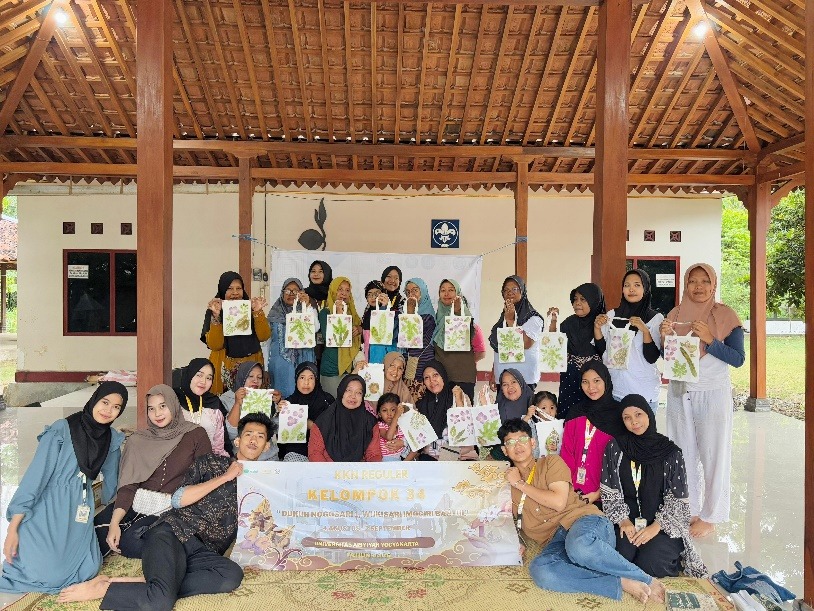
Students from the Community Service Program (KKN) Group 67, Universitas ‘Aisyiyah (Unisa) Yogyakarta, for the period of August-September 2025, are running a community empowerment program through maggot cultivation as part of efforts to manage organic waste and provide alternative feed for livestock. This program is being implemented in Padukuhan Nyamplung Lor, Balecatur Village, Gamping District, Sleman Regency, Special Region of Yogyakarta, involving local residents and Karang Taruna as implementing partners.

The background of this program is two main problems faced by the community, namely the volume of household waste that is not properly managed and the increasing cost of livestock feed. Maggots, or larvae of the Black Soldier Fly (BSF), were chosen as a solution because of their ability to efficiently decompose organic waste while producing biomass that is high in nutritional value for livestock.

The approach used is participatory. KKN students facilitate technical training for residents and Karang Taruna, ranging from the waste sorting process, media preparation, to maggot cultivation and harvesting techniques. In addition to hands-on practice, students also provide simple modules as self-study materials. “At first, we didn’t know that kitchen waste could be used like this. Now we can process it into something useful,” said Nadia, Chairperson of the Nyamplung Lor Youth Organization, on Thursday (August 21, 2025).

The head of the Unisa Yogyakarta Community Service Program (KKN) group, Hamdika, expressed his gratitude to the residents and youth organization of Padukuhan Nyamplung Lor, who were willing to provide manpower and equipment support to the KKN group from the beginning to the end of the program. “Without this assistance, our work program would not have run smoothly. This work program is one of the follow-ups to the mandate of the Balecatur Village Head that the issue of waste management in DIY is also a priority program in the Balecatur village,” said Hamdika.

The enthusiasm of the residents, especially the youth organization, made this program develop faster than expected. They not only learned how to cultivate maggots, but also began to think about selling dried maggots as an economic product. During casual discussions at the neighborhood watch post, new ideas emerged, ranging from product packaging and local branding to marketing through social media.

With the continued support of residents and Karang Taruna, this maggot cultivation program is expected to continue even after the KKN period ends. In addition to providing a solution to the waste management problem, this activity opens up new economic opportunities for the local community through the sale of fresh and dried maggots.

It is hoped that the maggot cultivation program carried out by KKN group-67 students, led by Hamdika and supervised by lecturer Bdn. Nurul Kurniati, S. ST., M. Keb, in the Nyamplung Lor hamlet, Balecatur village, can become one of the student activities in the effort to realize Aisyiyah University Yogyakarta as one of the campuses that supports the government’s program, namely the Impactful Campus initiative from the Ministry of Higher Education, Science, and Technology, aimed at encouraging higher education institutions not only to produce quality graduates but also to become agents of social, economic, and environmental change, emphasizing that student learning can be conducted through real-world collaborative projects in the community involving both students and faculty members.

Screenshot 2025 10 16 110623

An enthusiastic atmosphere filled Gendingan Hamlet, Notoprajan Village, Ngampilan, Yogyakarta City, on Sunday (August 10, 2025). Dozens of residents from RT 16 RW 03 gathered to participate in the Healthy Movement event organized by students from the University of ‘Aisyiyah (Unisa) Yogyakarta’s Community Service Program (KKN), thanks to funding support from the Ministry of Education and Culture (Kemendikbud Ristek).

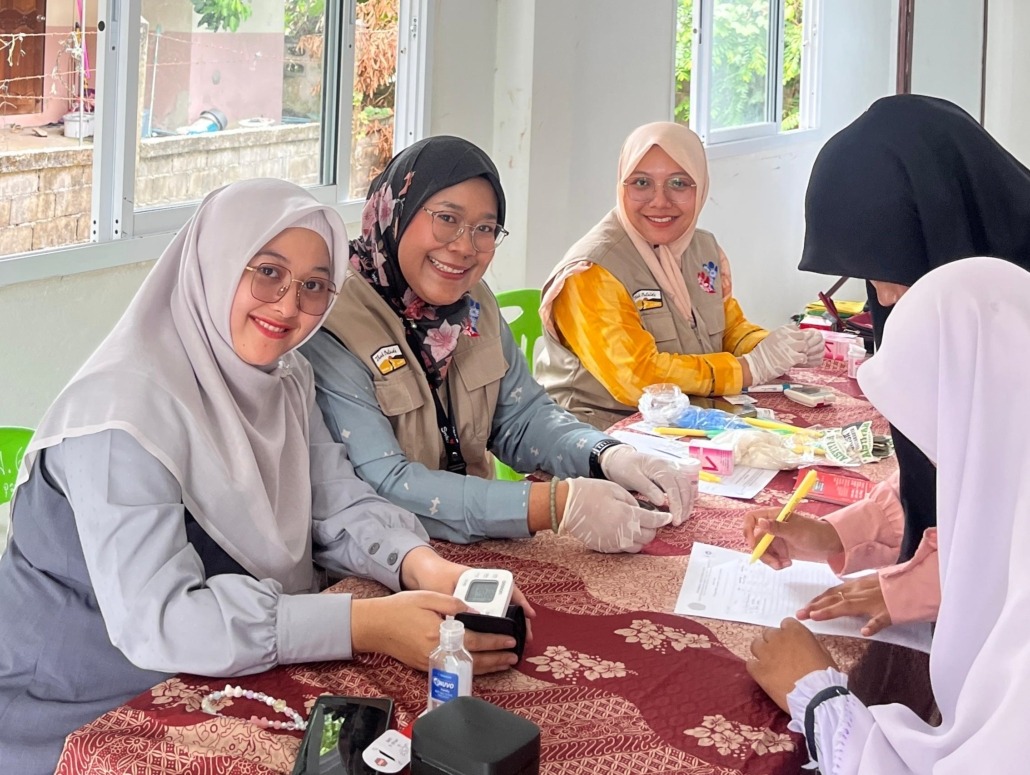
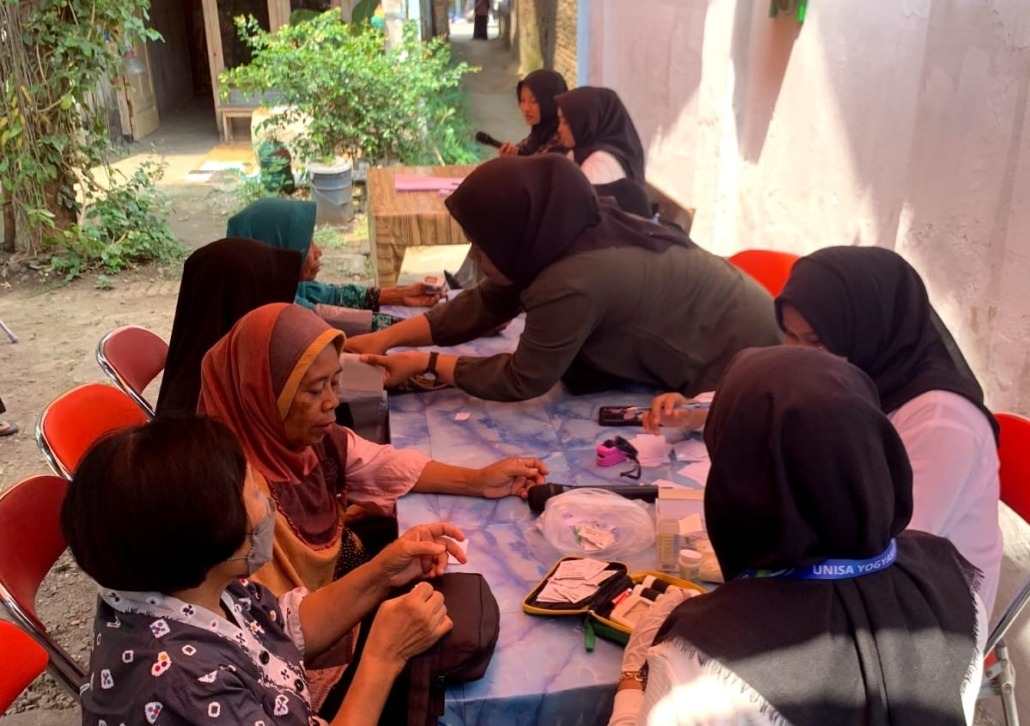
The event, which opened with morning exercises, continued with a healthy walk around the fort and the residents’ village. Enthusiasm was evident from the gathering point at the RT 16 Hall, which was crowded with participants from various backgrounds, ranging from children to the elderly. Not only was it healthy, but this activity also provided a variety of services and entertainment, such as free health checks, breakfast together, and attractive door prizes.

The Head of RW 03 Gendingan, Syafarudin Murbawono, expressed his appreciation to the Unisa Yogyakarta KKN students. “This healthy walk is not just entertainment, but also strengthens unity, educates about the importance of maintaining health, and fosters a spirit of mutual cooperation,” he said.

A similar sentiment was also expressed by the Field Supervisor (DPL) of Unisa Yogyakarta’s Community Service Program (KKN), Endang Koni Suryaningsih, Ph.D. According to her, this activity is clear evidence of the students’ contribution to building awareness of healthy living and strengthening social relationships.

“The KKN program enables students to make a direct contribution to building awareness of healthy living and strengthening social bonds within the community,” emphasized Endang Koni.

With the success of this event, residents hope that the healthy walking program can be held regularly every month as a platform for fitness, camaraderie, and social interaction among community members.