‘Aisyiyah University (Unisa) Yogyakarta continues to strengthen its commitment to creating a safe and violence-free campus environment. Through the Task Force for the Prevention and Handling of Violence in Higher Education (Satgas PPKPT), various preventive measures and response mechanisms have been systematically put in place.
The head of Unisa Yogyakarta’s Satgas PPKPT, Wantonoro, explained that the task force’s primary duty is to implement preventive measures as well as respond to incidents of alleged violence on campus.
“The primary duty of the Satgas PPKPT is to carry out preventive efforts against acts of violence on campus by raising awareness about the types of violence and the applicable regulations within the Unisa Yogyakarta community. Additionally, the Task Force is responsible for handling reports of suspected violence,” explained Wantonoro on Monday (November 10, 2025).
According to Wantonoro, the reporting mechanisms and follow-up procedures for cases are clearly outlined in Unisa Yogyakarta Rector’s Regulation No. 2/PR-UNISA/Au/VII/2025. “Every report will be processed in accordance with the rector’s regulation. We have a clearly defined resolution process, starting from receiving the report, verifying the data, to providing recommendations to university leadership,” explained Wantonoro.
In carrying out its duties, the Unisa Yogyakarta PPKPT Task Force comprises members from various academic disciplines, including psychology. Task Force members have also undergone training in crisis response and management to ensure they can respond to every report professionally and empathetically.
“We have completed training on crisis management and response. The Task Force team also includes psychologists, so we can provide comprehensive support tailored to the priorities of the issues that arise,” said Wantonoro.
He added that the Task Force also collaborates with the Unisa Yogyakarta Psychology Services Office to provide support for members of the academic community in need of psychological assistance.
Encouraging Victims of Violence to Come Forward
Wantonoro acknowledged that there have been no significant obstacles in the Task Force’s operations. However, he hopes that in cases of suspected violence, victims will have the courage to file reports supported by appropriate evidence and statements.
“So far, there have been no significant obstacles. Our hope is that, in cases of alleged violence, victims will have the courage to provide accurate and honest statements. They can even be accompanied by student organizations if necessary, with clear official documentation and informed consent,” he said.
Regarding privacy, Wantonoro emphasized that the Task Force strictly maintains the confidentiality of the identities of both the complainant and the accused. “If a report is filed, we ensure that the identities of the complainant, the alleged perpetrator, and the chronology of events are properly documented. However, only the Task Force has access to this data. Privacy is guaranteed to be safe and protected in accordance with the ethics of Task Force members,” he asserted.
Although established via a Rector’s Decree (SK), Wantonoro emphasized that the PPKPT Task Force operates independently in carrying out its technical duties. “The Task Force is indeed appointed via a Rector’s Decree, so structurally we coordinate with the rector’s office, but technically, the Task Force operates independently without interference. “The results of our review will be presented in the form of recommendations to the leadership as a basis for decision-making,” Wantonoro concluded.
https://www.unisayogya.ac.id/en/wp-content/uploads/sites/16/2026/03/image-16.jpeg5781030adminhttps://media.unisayogya.ac.id/wp-content/uploads/2024/01/Logo-Unisa_Horisontal_bg_putih.pngadmin2026-03-29 20:44:402026-03-29 20:44:42Unisa Yogyakarta Strengthens Campus Violence Prevention Through the PPKPT Task Force
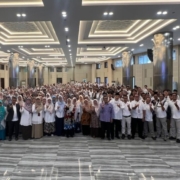
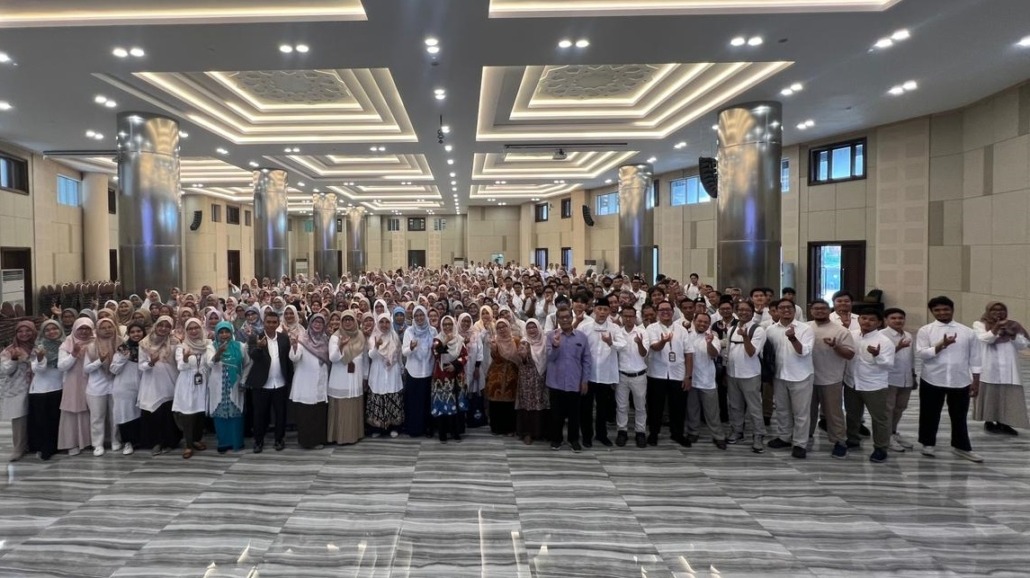
‘Aisyiyah University (Unisa) Yogyakarta continues to strengthen a sense of unity in maintaining excellence through a gathering of the Executive Board and staff of Unisa Yogyakarta, held at the Convention Hall of the Walidah Dahlan Mosque at Unisa Yogyakarta on Friday (November 7, 2025). The contributions of the entire Unisa Yogyakarta academic community are an essential part of every step of this journey.
“Excellence is everyone’s success; service is everyone’s duty,” stated Siti Noordjannah Djohantini, Chairperson of the Executive Board (BPH) of Unisa Yogyakarta.
Gathering
Noordjannah emphasized that Unisa Yogyakarta’s successes begin with small things. However, she noted that even something as seemingly simple as cleanliness is not actually straightforward.
“Thank you for your contributions and service in supporting an outstanding Unisa, because this success could not have been achieved without unity. Thank you for enhancing education at Unisa Yogyakarta,” said Noordjannah.
Other members of the Unisa Yogyakarta BPH also emphasized the need for collaboration to continue improving Unisa Yogyakarta’s achievements. This effort should not stop at the local or national levels but extend to the international level as well.
The Rector of Unisa Yogyakarta, Warsiti, said that the purpose of this event was to strengthen the commitment of all members of the Unisa Yogyakarta community to work in unison and fulfill their respective responsibilities. “Activities like this may be held on a regular basis,” said Warsiti.
Warsiti also noted that this gathering serves to reinforce the commitment to serving at Unisa Yogyakarta. Additionally, it serves as a platform for the Unisa Yogyakarta academic community to share ideas and opinions.
One of the top physical therapy lecturers at Universitas ‘Aisyiyah (UNISA) Yogyakarta, Dika Rizki Imania, SST.Ft., M.Fis., is once again in the spotlight thanks to her dedication and achievements in the fields of education, research, and innovation. During his 15 years of service at UNISA Yogyakarta, Dika (as he is affectionately known) has achieved numerous milestones that inspire the academic community, particularly students in the Faculty of Health Sciences (FIKes).
Physical Therapy Lecturer
Throughout his career, Dika has not only served as an educator but has also continuously learned from every experience. “Meeting remarkable people at UNISA Yogyakarta motivates me to keep growing and contribute my best,” he shared.
As an academic active in research and innovation, Dika and his team have produced works that benefit society. Some of the innovations he has created include the Bleksibel Toilet Chair for patients recovering from hip fractures, authoring the pocket guide *Human Body Anatomy* (2020), and co-editing the book *Homecare Interprofessional Collaboration* (2023).
In addition to innovating, Dika is also actively writing scientific publications with broad impact. Among his works are: “Interdisciplinary Homecare Improves the Mental Health of Diabetic Ulcer Patients,” “Efforts to Improve the Development of Children with Down Syndrome,” “Analysis of Cardiovascular Disease Risk Levels,” and “Differences in the Impact of Abdominal Exercise and Swiss Ball Exercise on Abdominal Fat Reduction in Adolescents.”
He continues to demonstrate his commitment to the advancement of knowledge by pursuing his doctoral studies at Sebelas Maret University (UNS) through the BPI Scholarship, proving his passion for ceaseless learning.
For Dika, lectures and the academic world are not merely a routine but a preparation for real life. “Enjoy your journey through campus life with an open mind and follow your heart,” he advises students.
With his long track record and unyielding spirit, Dika Rizki Imania has become a true role model as an inspiring lecturer at UNISA Yogyakarta, embodying the spirit of an outstanding campus that is globally competitive and oriented toward the welfare of society.
Acute Respiratory Infections (ARIs) remain a cause for concern to this day. In Sleman Regency, ARI cases are also high; according to data from the Sleman Health Office, there were 94,000 cases by the end of October 2025. Dika Rizkiardi, a lecturer at the Faculty of Medicine, Aisyiyah University (Unisa) Yogyakarta, offers advice on prevention and management of ARI cases.
“ARI, or Acute Respiratory Tract Infection, is the medical term for infections that affect our respiratory tract, ranging from the nose and throat to the lungs. It is called ‘acute’ because it typically progresses rapidly, usually lasting less than 14 days,” explained Dika on Wednesday (November 5, 2025).
The causes can vary, but the most common is a virus. Examples of diseases classified as ARI are very familiar to us, such as the common cold, influenza, pharyngitis, and more serious conditions like bronchitis and pneumonia.
The primary causes are mostly viruses, such as rhinovirus, influenza, and RSV. “Environmental and weather factors currently play a significant role. We are currently in the transition season, where air temperatures are often unpredictable—sometimes extremely hot, then suddenly rainy,” explained Dika.
Furthermore, air quality—which may deteriorate due to pollution or dust during the dry season—can cause irritation in the respiratory tract. This condition weakens the local immune defenses in our respiratory tract, making it easier for viruses or bacteria to enter and cause infection.
Regarding the sharp increase in cases in Sleman, it is most likely due to multiple factors. First, as mentioned, unfavorable weather and air quality conditions. Second, community activities have now returned to normal post-pandemic; social interactions and crowding in public spaces have increased, so the transmission of droplet-spread diseases like ARI naturally rises as well. “Third, there may be a slight drop in vigilance regarding basic health protocols, such as wearing a mask when sick,” he explained.
Symptoms, Risks, and Management of ARI
Dika explained that the initial symptoms of URTI are usually very recognizable. They range from a stuffy or runny nose, sneezing, discomfort or an itchy throat, followed by a cough (which may be dry or productive). These are often accompanied by systemic symptoms such as a mild fever, headache, and body aches or a general feeling of being unwell.
There are several groups that require special attention because they are more likely to experience severe symptoms. These include children, especially toddlers, because their immune systems are not yet fully developed; the elderly, because their immune function naturally begins to decline; People with comorbidities or underlying conditions, such as those with asthma, COPD, heart disease, diabetes, or those with weakened immune systems (e.g., chemotherapy patients or those with HIV). Active smokers also face a significantly higher risk.
“In healthy individuals, mild viral upper respiratory infections (URIs) typically resolve on their own (self-limiting) with rest and adequate fluid intake. However, if left untreated, with insufficient rest, or if it occurs in the aforementioned vulnerable groups, the infection can spread. An upper respiratory tract infection can ‘spread’ downward to cause bronchitis or pneumonia (lung inflammation). A secondary bacterial infection may also occur. The worst outcome, particularly in severe pneumonia, is respiratory failure, which is, of course, life-threatening,” said Dika.
According to Dika, it’s important to know this so you don’t delay treatment, but also so you don’t panic unnecessarily when dealing with respiratory infections. People with respiratory infections can manage their symptoms at home if they’re mild (such as a common cold or mild fever). However, see a doctor or go to a healthcare facility immediately if you experience shortness of breath or difficulty breathing. These are major warning signs. A high fever (above 38.5°C) that does not subside after 3 days of taking fever-reducing medication. A cough that does not improve within 2 weeks, or is accompanied by severe chest pain. Symptoms occurring in vulnerable groups, such as infants under 3 months, the elderly, or those with comorbidities. Do not delay; it is better to seek medical attention immediately.
Treatment procedures depend on the severity. For mild URIs—90% of which are caused by viruses—treatment is symptomatic, meaning we address the symptoms. For example, fever-reducing medication (paracetamol), cough suppressants, and most importantly, education on rest and staying well-hydrated. It’s important to remember that viral URIs do not require antibiotics. Inappropriate use of antibiotics can actually be dangerous. For moderate to severe cases, such as pneumonia, medical management may require further testing like a chest X-ray, and the administration of more specific medications (including antibiotics if a bacterial infection is confirmed), oxygen therapy, or even hospitalization for monitoring.
“Our role, both as healthcare professionals and as an educational institution, has two aspects. First, on the curative (treatment) side, we at healthcare facilities are certainly ready to provide the best care and treatment for those in need. Second, and no less important, is the promotive (health promotion) and preventive (disease prevention) aspects. “The Faculty of Medicine at Unisa Yogyakarta has a moral responsibility to provide accurate and easily understandable health education to the public—such as through this interview—so that the public can empower themselves and practice prevention independently,” said Dika.
Dika also noted that as part of the Tri Dharma of Higher Education, the Faculty of Medicine at Unisa Yogyakarta regularly carries out various community service programs. These can take the form of direct health education at schools, community health posts, or within communities; social service health screenings; or research focused on real health issues in the community, including those related to respiratory diseases and the implementation of the Clean and Healthy Lifestyle (PHBS) program.
Prevention and Education Are Key Components
Dika emphasized that prevention is the key. First, maintain your immune system. This is fundamental. Second, minimize exposure. If you know the air quality is poor, it’s best to avoid strenuous physical activity outdoors. If you must go outside, it’s highly recommended to wear a mask capable of filtering pollutants. Also ensure that indoor ventilation in your home or workplace remains adequate to maintain proper air circulation.
The role of PHBS is central and fundamental. The viruses and bacteria that cause respiratory infections are highly contagious via the hands. “We touch doorknobs, tables, and then inadvertently touch our nose or mouth. So, simple things like washing your hands with soap and running water regularly—especially before eating, after using the restroom, or after touching public facilities—are the most effective ways to break the chain of transmission. Maintaining a clean home environment is also important to reduce dust and germs,” explained Dika.
Dika noted that mask-wearing and coughing etiquette need to remain a priority and are still relevant post-pandemic. In his view, the habits formed during the COVID-19 pandemic must be maintained. The COVID-19 pandemic has taught us just how important masks and coughing etiquette are. “If you feel sick (coughing or have a cold), wear a mask. That is our social responsibility to protect those around us. If you’re healthy but in a crowded or polluted area, a mask protects you. Coughing etiquette—covering your mouth with the inside of your elbow or a tissue when coughing or sneezing—must also be continued to prevent the spread of droplets,” said Dika.
He also suggested maintaining a strong immune system, with the key being a balanced diet. Increase your intake of fresh vegetables and fruits rich in vitamin C, vitamin D, and antioxidants. Ensure adequate fluid intake, especially water, with a minimum of 8 glasses a day, to keep the mucous membranes of our respiratory tract moist and healthy. And something often overlooked: don’t forget to get enough rest. Quality sleep of 7–8 hours per night is the best “charger” for the immune system.
“Our message from the Faculty of Medicine at Unisa Yogyakarta to all residents of Sleman and the surrounding areas: do not panic in the face of this rise in respiratory infections, but remain vigilant. Respiratory infections are highly preventable. Start with yourself and your family. Reinstate healthy lifestyle practices, especially handwashing with soap. Boost your immune system with nutritious food and adequate rest. And don’t hesitate to wear a mask again if you feel sick, or if you’re in crowded or polluted areas,” said Dika.
The Communication Studies Program at Aisyiyah University of Yogyakarta (Unisa Yogyakarta) hosted a visit from the Yogyakarta Bureau of the National News Agency (LKBN) Antara during the Antara Sharing Session #2 at the Communication Studies Laboratory on Thursday (October 30, 2025). The event was attended by Communication Studies students from various graduating classes.
The Head of the Antara Yogyakarta Bureau, Nur Istibsaroh, noted that this event was part of the series of activities commemorating Antara’s 86th anniversary. Since its establishment on December 13, 1937, Antara has remained a national news agency consistently providing and distributing information to the public and various media outlets across Indonesia.
Meanwhile, the Head of the Communication Studies Program at Unisa Yogyakarta, Hari Akbar Sugiantoro, M.A., expressed his gratitude for Antara’s visit to the Communication Studies program. He explained that his department had previously been actively inviting practitioners to provide students with hands-on learning about the world of communication, including the field of journalism.
“One of the modules offered by the Communication Studies program at UNISA is Digital Media and Journalism, so this visit is perfectly timed. We are very grateful that Antara has chosen to visit us,” said Hari Akbar in his opening remarks.
Lecture by Journalism and Photography Practitioners at the UNISA Communication Studies Program
The Communication Studies Program at Aisyiyah University of Yogyakarta (Unisa Yogyakarta) hosted a visit from the Yogyakarta Regional Office of the National News Agency (LKBN) Antara as part of the Antara Sharing Session #2 at the Communication Studies Laboratory on Thursday (October 30, 2025). The event was attended by Communication Studies students from various graduating classes.
The Head of the Antara Yogyakarta Office, Nur Istibsaroh, noted that this event was part of a series of activities commemorating Antara’s 86th anniversary. Since its establishment on December 13, 1937, Antara has remained a national news agency that consistently provides and distributes information to the public and various media outlets throughout Indonesia.
Meanwhile, the Head of the Communication Studies Program at UNISA Yogyakarta, Hari Akbar Sugiantoro, M.A., expressed his gratitude for Antara’s visit to the Communication Studies Program. He explained that his department had previously been actively inviting practitioners to provide hands-on learning to students about the world of communication, including the field of journalism.
“One of the modules offered by the Communication Studies Program at UNISA is Digital Media and Journalism, so this visit is very timely. We are very grateful that Antara has chosen to visit us,” said Hari Akbar in his opening remarks.
Lecture by Journalism and Photography Practitioners at the UNISA Communication Studies Program
After Lukman, it was Andreas Fitri Atmoko’s turn to share his experiences in the world of photojournalism. He explained that photojournalism is not merely about presenting beautiful photos, but also about conveying powerful messages and stories that the public needs to know. News photos, he said, serve as a form of historical documentation for the future.
“If there are no photos today, there will be no history tomorrow,” said Andreas.
For him, photos are often capable of conveying a deeper message than words. He emphasized that while journalists communicate through writing, photographers communicate through visuals. A photojournalist must be able to transform on-site conditions, situations, lighting, and moments into a compelling story for the audience.
https://www.unisayogya.ac.id/en/wp-content/uploads/sites/16/2026/03/image-12.jpeg8241030adminhttps://media.unisayogya.ac.id/wp-content/uploads/2024/01/Logo-Unisa_Horisontal_bg_putih.pngadmin2026-03-29 20:37:492026-03-29 20:37:58The Communication Studies Program at Unisa Yogyakarta Hosts a Visit from LKBN Antara