Anemia 1030x687

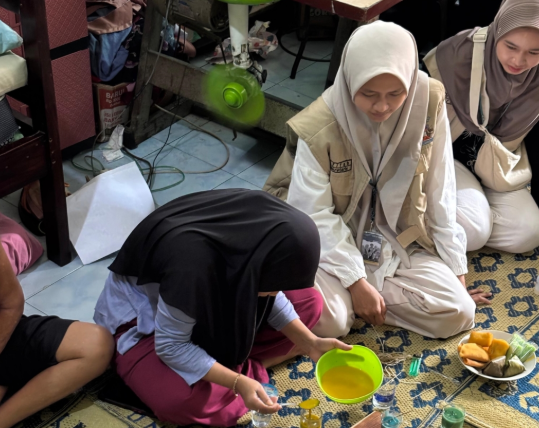
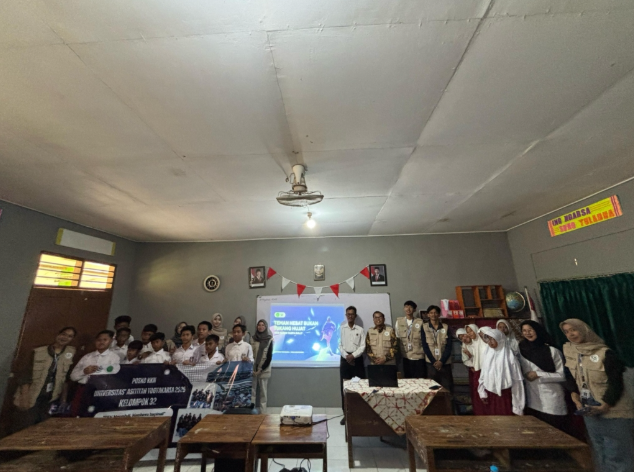
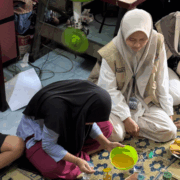
Concerned about the high rate of anemia, the academic community at Universitas ‘Aisyiyah (Unisa) Yogyakarta initiated the Gen Z – Iron Nutrition Education Program to Prevent Anemia in Sendangagung Village, Minggir, Sleman. This initiative is not only informative but also enjoyable and tailored to the characteristics of today’s generation.

“This idea emerged from our concern over the high prevalence of anemia, particularly among adolescent girls, which we identified through health department reports and field observations. Many adolescents lack understanding of the importance of iron and are reluctant to take iron supplements (TTD) due to insufficient education,” said Nursing Lecturer Hamudi Prasetiyo on Thursday (July 24, 2025).

Hamudi emphasized that anemia requires attention because it directly impacts academic performance, concentration, chronic fatigue, and even the risk of complications during future pregnancies. “Our interviews with health center staff and village officials revealed that many adolescents suffer from mild to moderate anemia but do not receive proper education or intervention. This has prompted the team to conduct more extensive screening and education,” said Hamudi.

The Gen Z Program – Iron Nutrition Education to Prevent Anemia in Sendangagung Village, Minggir has successfully received support from the Student Organization Capacity Building Program (PPK Ormawa) of the Ministry of Higher Education, Science, and Technology (Kemendiktisaintek). This program will be implemented across disciplines at Unisa Yogyakarta, with the Nursing Program serving as the primary coordinator for health education and anemia screening. The Midwifery Program will focus on approaches targeting adolescent girls and education about the menstrual cycle and iron requirements.

“Of course, with students from the student organizations HIMIKA (Association of Nursing Students) and HIMABIDA (Association of Midwifery Students). The collaboration has been harmonious from the start. Nursing students handle general education and hemoglobin level screening, while midwifery students delve into adolescent reproductive health, menstrual health, and the impact of anemia on adolescent girls. We combine promotive and preventive approaches to reach the target group more effectively,” explained Hamudi.

Hamudi specifically mentioned that the supervising lecturers will play a central role in strengthening methodology, validating data, and overseeing fieldwork. They will guide the team in drafting proposals, mapping village potential, establishing communication with village partners, and assisting the team in monitoring and evaluation. Their role is crucial in maintaining the scientific integrity of this program.

Hamudi did not deny that there were a number of challenges faced when drafting the proposal. These included developing a comprehensive yet realistic program within a limited time frame, quickly and accurately mapping the needs of the village, creating innovative and engaging educational programs for Gen Z, and formulating measurable indicators of success.

Program implementation and expectations

The program will be implemented in Sendangagung Village, Minggir. This village was selected because it meets three important criteria. First, the high number of adolescents aged 10–19 in the area. Second, the low level of nutritional understanding and high rates of anemia based on data from the Minggir Health Center. Third, the support from local village officials who are open to community-based program collaboration. “Additionally, this village has not been extensively reached by similar programs, making our intervention more meaningful,” explained Hamudi.

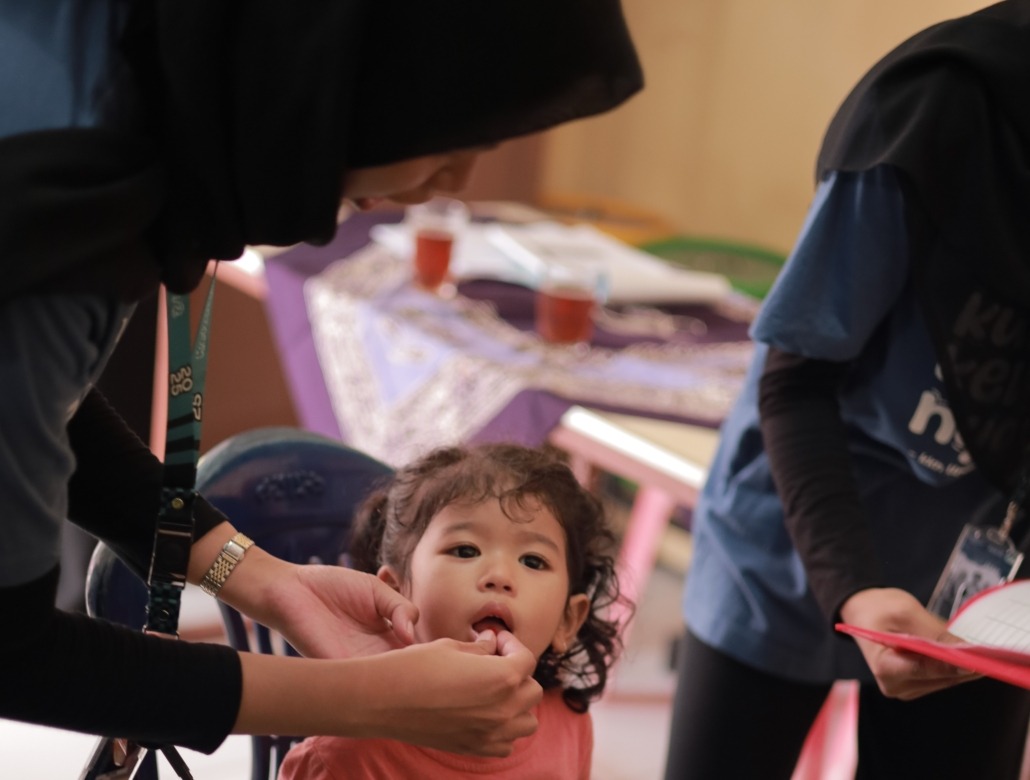
The Gen Z Program – Iron Nutrition Education to Prevent Anemia in Sendangagung Village, Minggir, Sleman includes hemoglobin level screening for adolescents, Gen Z cadre training, and digital campaigns via Instagram and TikTok. Additionally, it involves the distribution of hemoglobin-boosting tablets, interactive education, parental education on adolescent nutrition, and the distribution of educational modules.

“We use an edutainment approach—education packaged in an enjoyable way with attractive visuals and concise infographics. Social media challenges (#GenZ), discussion classes with interactive quizzes, and storytelling from healthy teenage role models,” said Hamudi.

Through this program, it is hoped that in the short term, there will be an increase in teenagers’ knowledge about anemia and iron, the emergence of teenage volunteers concerned about anemia, and changes in the consumption of nutritious foods. In the long term, the goals include a reduction in the prevalence of anemia among teenagers, the independence of village volunteers in anemia education, and a program model that can be replicated in other villages.

The success of the program in the field will be assessed through pre-tests and post-tests to measure knowledge improvement. Additionally, monitoring of hemoglobin levels before and after the intervention will be conducted. Furthermore, focus group discussions (FGD) with cadres and village officials, documentation of activities, and testimonials from teenagers will be gathered. This program is also planned to be replicated in other villages.

“We have coordinated with neighboring villages such as Sidoagung. We are currently designing a replication proposal that can be submitted in the next PPK ORMAWA period or through the KKN Tematik scheme,” he said.

Benefits for students and support from Unisa

Hamudi said that through PPK ORMAWA, students will be trained to lead teams, divide roles, and take responsibility for the success of the program. Additionally, they are trained to be sensitive to community needs, able to listen, and adapt educational strategies to the local context.

“We hope this program continues to be strengthened as a means of character development for students. Programs like this prove that students can be real agents of change in society, not just academics on campus,” he hoped.

Hamudi also urged students to keep creating. Students need to have a sense of urgency, starting with small things. “Start with the small concerns around you. Don’t wait for perfection to act. With teamwork, faculty support, and a willingness to learn, students can create programs that are beneficial and impactful,” Hamudi said.

He also expressed his gratitude to Unisa Yogyakarta for providing various forms of support. Starting from proposal training and monitoring and evaluation, then guidance from PPK ORMAWA supervisors, initial program funding. In addition, there was also support for facilitating the publication of the program in internal and external media. “As well as administrative support,” said Hamudi.

Universitas `Aisyiyah (UNISA) Yogyakarta is once again conducting community service activities through its students. A total of 1,121 students were deployed to participate in the Community Service Learning Program (KKN), which will take place in 11 villages spread across five regencies and cities in the Special Region of Yogyakarta, including Sleman, Yogyakarta City, Bantul, Kulon Progo, and Gunung Kidul. The send-off ceremony took place at the Convention Hall of Masjid Walidah Dahlan on Tuesday, July 22, 2025.

UNISA Yogyakarta Rector, Dr. Warsiti, S.Kp., M.Kep., Sp.Mat, stated in her opening remarks that KKN is not merely a work program but a valuable life-learning process.

“In the community, students will learn a great deal. They will not only apply the knowledge gained in the classroom but also learn about local wisdom and values,” said Warsiti.

She also added that this experience will require students to quickly adapt to complex social realities. “This requires quick adaptation and facing complex realities,” she emphasized, reminding students of the challenges they may encounter in the field.

Furthermore, Warsiti emphasized the importance of good communication skills for every KKN participant. She advised students to create programs that are truly beneficial with ideas that are meaningful to the community.

“Create programs that are beneficial with ideas that are meaningful to the community, and maintain ethics so that you can blend in with the community,” she concluded, providing important guidance for students so that they can be accepted and have a positive impact at the KKN location.

This send-off marks the beginning of a new chapter for UNISA students to apply their knowledge while enriching themselves with invaluable social experiences.

Mahasiswa arsitektur 3 1030x773

The talent and creativity of students in the Architecture Study Program at the Faculty of Science and Technology (FST) of Universitas `Aisyiyah (Unisa) Yogyakarta have once again impressed. Second-semester students successfully created an innovative and creative playground architecture design, which was exhibited at the Unisa Yogyakarta Integrated Campus on Monday (July 21, 2025). This project serves as tangible evidence of the students’ ability to translate theory into functional design applications.

Through the Design Studies course with the theme “Configuration,” the students were divided into three groups. Each group was tasked with designing and applying architectural concepts into tangible forms before presenting their work to the responsible instructor. As a result, three unique and attractive playground designs were created, each named Jungle Land, Rubik, and Pitter Petter, specifically designed as children’s play areas.

Ar. Rizki Aldillah, S.Ars., M.Ars., IAI, or Kiki as he is commonly known, the lecturer for the design course in the Architecture Program, explained that the project aimed to introduce students to the concept of architectural configuration.

“These second-semester students are beginning to understand what architectural configuration is. They not only understand and grasp the concept but can also apply it in a design that is both unique and functional,” said Kiki.

Furthermore, Kiki added that this configuration course is designed to prepare students to face a more mature design process, without neglecting the importance of ideas and creativity. He also highlighted the challenges of the digital era, where Unisa Yogyakarta architecture lecturers do not want their students to lack creativity due to excessive consumption of designs from digital platforms.

“The hope is that what they gain in this second semester can be carried forward to the next semester to explore more advanced designs with unique characteristics,” Kiki concluded.

This initiative underscores Unisa Yogyakarta’s commitment to producing young architects who are not only technically competent but also rich in design innovation and capable of thinking outside the box.

Digitalisasi desa 824x1030

Inspired by the program of the President of the Republic of Indonesia, Prabowo Subianto, lecturer of the Information Technology Study Program at Universitas ‘Aisyiyah (Unisa) Yogyakarta, Sadr Lutfi Mufreni, S.Kom., M.Sc and three students developed an innovation for rural communities. This innovation is a tangible form of support for rural development.

Titled “Innovation in Website Creation and Management Services for Village-Owned Enterprises (BUMDes) through the SiDesa Platform as a Solution for Village Digitalization,” this innovation has been approved for funding under the 2025 Student Entrepreneurship Development Program (P2MW) by the Directorate of Learning and Student Affairs, Directorate General of Higher Education, Ministry of Education, Culture, Research, and Technology of the Republic of Indonesia. In addition to Sadr, this innovation also involves three students from the Information Technology Program, namely Irsyad Winarko, Muhammad Salman Alfarisi, and Dian Gita Meilani. “This was inspired by President Prabowo’s vision for village economy (Asta Cita),” explained Sadr on Monday (July 21, 2025).

One of the Asta Cita principles is to build from the village and from the bottom up to achieve economic equality and eradicate poverty. This innovation, which promotes digitalization at the village level, is a tangible contribution from the academic community of Unisa Yogyakarta to empower rural communities.

Sadr stated that the SiDesa platform serves as a platform for marketing the goods and services of rural communities. This is not without reason, as SiDesa also addresses the issue where BUMDes and their products already exist, but unfortunately have not been marketed effectively. “This is to assist in marketing the goods and services of BUMDes,” said Sadr.

Long-term development for the SiDesa platform has also been considered by Sadr and his team. It is hoped that with future development, the positive impact felt by rural communities will be even greater. “In the future, we aim to become a unicorn startup in rural digital development. Yes, with a subscription model,” said Sadr.

Sadr mentioned that this idea was also initiated by students. The involvement of the younger generation in this endeavor is a crucial component. He also motivated other students to continue developing themselves. “You’re still young, so let’s explore,” Sadr encouraged.

Sadr also commended P2MW for potentially fostering the emergence of technopreneurs. Personally, this achievement reflects the success of collaboration between faculty and students. “This signifies that the efforts, ideas, and hard work undertaken have received tangible recognition, opening opportunities for further development,” Sadr stated.

Sadr noted that as part of Unisa Yogyakarta, the success in securing the P2MW grant has a positive impact. This demonstrates that Unisa Yogyakarta has the capability to produce students who not only excel academically but also can apply their knowledge to create business opportunities.

Generasi muda 1030x686

Online gambling (Judol) remains a real threat to various segments of society. Debt spirals and criminal activities are often triggered by addiction to online gambling. The allure of big profits, but in reality, significant losses, are the result of online gambling.

“Online gambling has become a threat, not just financially. This phenomenon causes psychological issues, social impacts, and damages the future of the younger generation. How tragic that judol cases are now spreading to illegal online lending,” said Warsiti, Rector of Universitas ‘Aisyiyah (Unisa) Yogyakarta, during the opening of the Seminar & Awarding Ceremony for the 2025 Student Creativity Competition in Communication Studies (Antariksa) titled ‘Stop Clicking, Start Living,’ held at the Baroroh Baried Hall of Unisa Yogyakarta, Saturday (July 19, 2025).

Warsiti hopes that the younger generation will become agents of change capable of preventing the spread of online gambling. This is one of the steps toward cultivating a golden generation by 2045. “Unisa Yogyakarta is committed to building the character and integrity of its students and staff, encouraging them to use technology for positive purposes,” said Warsiti.

During the seminar session, Member of the Regional Representative Council (DPD RI) for the Special Region of Yogyakarta, R.A Yashinta Sekarwangi Mega, revealed data from the Financial Transaction Reports and Analysis Center (PPATK) showing that the number of gambling transactions reached 39,818,000 transactions. The turnover of funds is estimated to reach 1,200 trillion by the end of 2025.  

Sadly, many young people are caught up in this vicious cycle of gambling. Data on the amount of deposits based on age shows that those aged 10–16 have deposited more than Rp2.2 billion. Those aged 17–19 have deposited more than Rp47.9 billion. Finally, those aged 31–40 have deposited more than Rp2.5 trillion. “Today’s reality is a challenge we all face. Online gambling is like a sweet temptation at first, but it ends bitterly in the end. Everyone can be affected,” said Yashinta.

Yashinta also provided examples of various criminal acts triggered by debt resulting from online gambling. As a member of the Regional Representative Council (DPD) of the Republic of Indonesia, Yashinta mentioned that her party is collaborating with the Financial Services Authority of the Special Region of Yogyakarta (OJK DIY) to support the prevention of online gambling.

One important aspect, according to Yashinta, is improving digital literacy. This can be done through community-based initiatives or by encouraging family and community involvement. “So, within social circles, people should remind each other. Within family circles, friends can also remind each other,” said Yashinta.

Psychologist Cania Mutia from RSIY PDHI Yogyakarta revealed that online gambling is currently like an iceberg phenomenon. “It may seem small, but it is very widespread. One dies, a thousand grow. Online gambling is an issue of self-identity,” said Cania.  

Cania revealed that there are at least four cycles of gambling addiction. First, the winning phase, where initial wins bring euphoria and overconfidence. Second, the losing phase, where losses trigger a desire for revenge. Third, the desperation phase, where severe addiction causes gamblers to become increasingly entangled. “Fourth, the giving up phase, where awareness of the impact leads to seeking help or further decline. Awareness often comes from losing all one’s money or being arrested by the police,” she said.

Gambling is an addictive disorder similar to substance addiction in drugs. Gambling causes psychological symptoms known as gambling disorders, which involve emotional and behavioral disturbances, can lead to mental health issues, and impact daily life.

Cania suggests building resilience. Start by creating a financial plan, engaging in self-reflection, and identifying triggers that lead to the desire to gamble. Additionally, manage stress in healthier ways. “Build strong social support, limit and remove access to online gambling sites. Find hobbies and alternative activities,” said Cania.

Gambling is often linked to online loans (pinjol). Many people are trapped in illegal online loans. Illegal online loans can also endanger the public. One example is that illegal online loans impose unlimited interest and penalties. 

Assistant Director of the Division of Supervision of Financial Service Providers, Education, Consumer Protection, and Strategic Management Services at OJK DIY, Susana Diah Kusumaningrum, said that OJK plays a role in regulating the financial services sector, supervising the financial services sector, as well as protecting consumer and/or public trust. She also urged the public not to be easily tempted by promises of quick, substantial profits.

“I urge the public to avoid online gambling. Be very cautious and do not be tempted. As far as I know, no one has become wealthy through online gambling,” Susana explained.

During the event, Susana also provided financial education. This included caution regarding investments, understanding legal and illegal online loans, and recognizing various fraud schemes.

Reza Al Khifari, Chairman of Antariksa 2025, stated that online gambling cannot be underestimated at this time. He urged all segments of society not to turn a blind eye to the dangers of this phenomenon. “The anti-online gambling campaign is hoped to foster new agents in the fight against online gambling,” said Reza.

This event marks the culmination of the Antariksa series of events, following previous activities such as Antariksa Goes to School, Sapa Warga, and Campaign on the Road. Antariksa 2025 is also part of the 34th anniversary celebrations of Unisa Yogyakarta. The event is supported by various parties, including the Financial Services Authority of the Special Region of Yogyakarta (OJK DIY), Bank Syariah Indonesia (BSI), and RA Yashinta Sekarwangi Mega, a member of Committee IV of the Regional Representatives Council (DPD) of the Republic of Indonesia.