Image

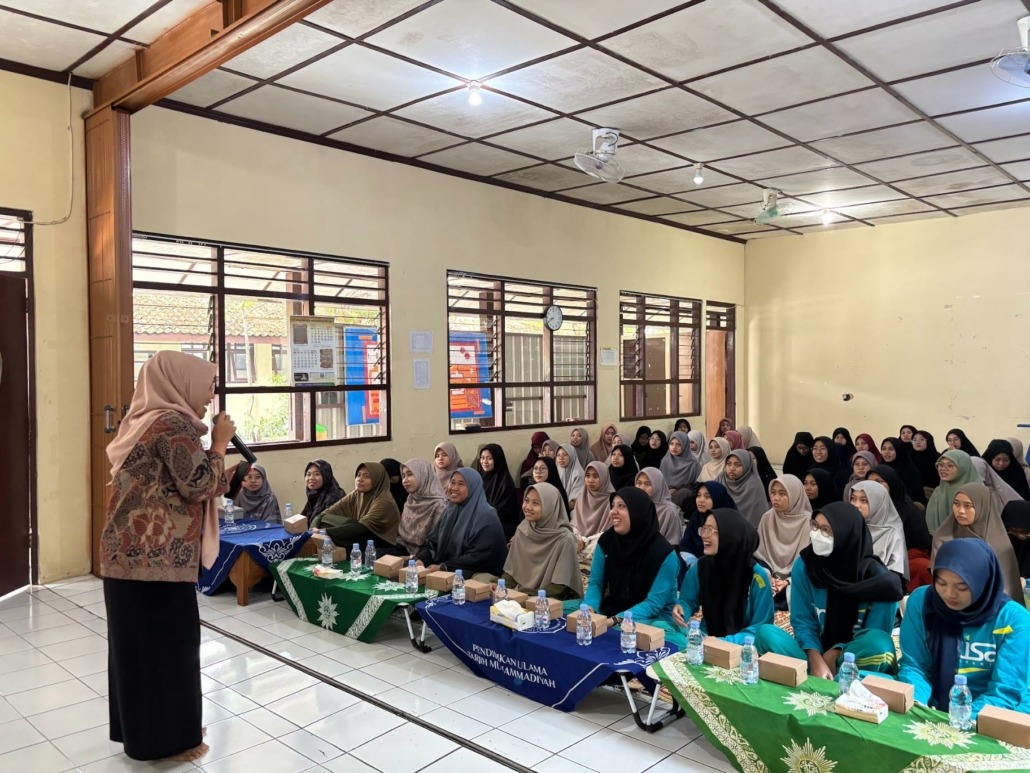
The threat of the “silent killer”—hypertension—no longer looms only over the elderly. Data from the 2018 Riskesdas survey shows that approximately 8.3% of Indonesian adolescents aged 15–17 already suffer from it. In response to this urgent situation, a community service team from ‘Aisyiyah University (UNISA) Yogyakarta visited the PUTM (Muhammadiyah Regional Leadership Women’s Student Dormitory) in Sleman, Yogyakarta, on Friday (10/24/25).

This health team from the UNISA Yogyakarta Physical Therapy program conducted a community service initiative focused on health promotion and screening. The goal was to improve health literacy among teenage girls to help them avoid hypertension from an early age.

The event featured presenter Indriani, SKM., MSc, along with a health team led by Veni Fatmawati, M.Fis, and five Physical Therapy students. They provided direct promotive and preventive education. Beyond theoretical instruction, the teenage girls at the dormitory underwent individual health checks, including blood pressure measurements, weight assessments, and body mass index (BMI) calculations.

Ustadz Asep Rahmat Fahzi, S.Th.i, M.Pd., representing the PUTM leadership, warmly welcomed this initiative. He appreciated the collaboration, particularly in improving the health literacy of the female students.

The Dangers of the “Silent Killer” in Adolescent Girls

The focus on adolescent girls is not without reason. Essential hypertension in adolescents often goes unnoticed because the symptoms are minimal, yet it can persist into adulthood and carries a higher risk of mortality.

“This condition is called a ‘silent killer’ because it can lead to serious health complications such as heart disease, stroke, and even kidney failure later in life if left unchecked,” Indriani explained in her presentation.

She added, “Especially for teenage girls, this increases the risk of hypertension and diabetes during pregnancy, which are extremely dangerous for the health of both mother and child.”

The risk factors are diverse, ranging from genetics, unhealthy lifestyles, lack of physical activity, excessive salt intake, obesity, to stress.

“It is important to have your blood pressure checked regularly, engage in physical activity, follow a healthy, low-salt diet, and manage stress. If symptoms have already appeared, see a doctor immediately,” Indriani emphasized.

This health screening is expected to provide a clear picture of participants’ health status and motivate them to adopt a healthy lifestyle.
Image
Image

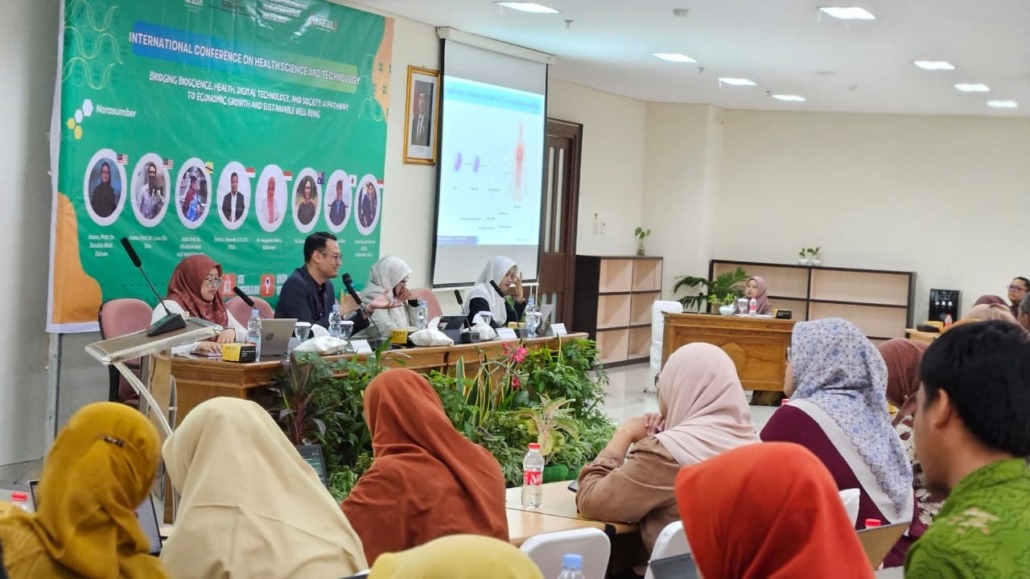
Universitas ‘Aisyiyah (UNISA) Yogyakarta successfully held the International Conference on Health and Technology (ICHST) on September 24-25, 2025. With the theme “Bridging Bioscience, Health, Digital Technology, and Society: A Pathway to Economic Growth and Sustainable Well-Being,” this biennial event featured speakers from Malaysia, Brunei Darussalam, Australia, and Japan.

In their presentations, most speakers highlighted current issues surrounding stem cell development, which is an important breakthrough in the field of health. This discussion sparked enthusiasm among participants, considering its broad potential for treating various diseases and improving the quality of health services in the future. Not stopping there, ICHST also discussed innovations in the fields of medicine and technology.

In her opening remarks, Dr. Warsiti, S.Kp., M.Kep., Sp.Mat, Rector of UNISA Yogyakarta, explained that this conference is not merely a routine agenda or a platform for publishing research results. Rather, it serves as an important forum for academics, researchers, practitioners, and students to share knowledge, research, and innovations.

“We hope this event can make a significant contribution in addressing global challenges in the fields of health, digital technology, and sustainable development,” said Warsiti.

The 4th ICHST 2025 was attended by 330 participants both offline and online. The presence of academics, researchers, health practitioners, and students made this conference a forum for knowledge and cross-border collaboration.

“This is one of the annual events that brings together many researchers, both lecturers and students, and this is a great activity for the development of research at UNISA Yogya in the coming years,” explained Luluk Rosida, S.ST., MKM., as Head of LPPM UNISA Yogya.

On the second day, an oral presentation session by ICHST participants is scheduled. This session provides an opportunity for researchers to share the latest knowledge. Moreover, the conference proceedings will be published in reputable indexed international proceedings and reputable international journals, as well as accredited national journals.

With the successful implementation of the 4th ICHST 2025, UNISA Yogyakarta reaffirms its commitment to continue supporting the development of scientific knowledge while strengthening its role on the international stage.

Image
Image

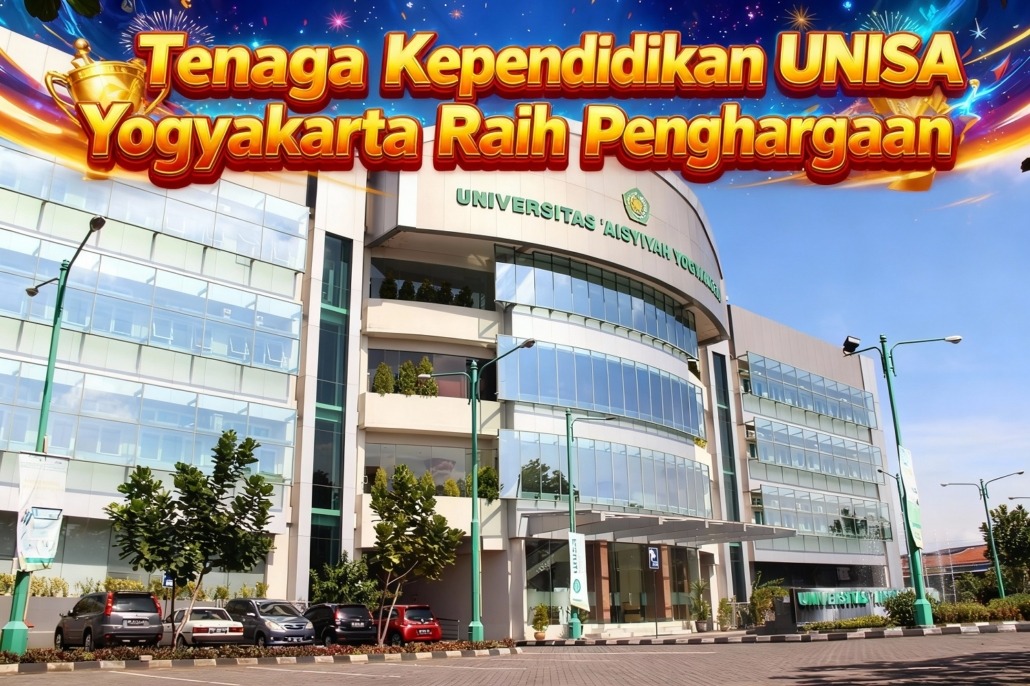
The educational staff of Universitas ‘Aisyiyah (UNISA) Yogyakarta has once again made a proud achievement at the national level. In the 2025 Laboratory and Educational Staff Innovation Article Writing Competition (KILaT) for Higher Education Institutions 2025, organized by the Higher Education, Research, and Development Council (Dikti Litbang) of the Central Leadership of ‘Aisyiyah, the team from UNISA Yogyakarta won awards in two prestigious categories, namely Best Paper and Best Presenter.

The competition, which aims to encourage a culture of innovation among laboratory assistants and educational staff, was participated in by various ‘Aisyiyah and Muhammadiyah universities from all over Indonesia. The dissemination of innovative works and the announcement of the winners were held online on Saturday, October 25, 2025.

In the Best Paper category, the team from UNISA Yogyakarta won the top two positions:

First Place:

Muhammad Ismail Nawri Nasution, S.Kom and Esti Rochmawati, S.E.

with their work entitled “Web-Based Finger Attendance System Innovation with Clarification and Attendance Validation Features”.

Second Place:

Anindya Gita Fakhira, S.Biotek, Estianingrum, S.Tr.Kes, and Dewi Praptomo Aji Wijayanti, S.Si

with their work “The Potential of Red Dragon Fruit (Hylocereus polyrhizus) Betacyanin as an Alternative DNA Dye Agent.”

Meanwhile, in the Best Presenter category, representatives from UNISA Yogyakarta, consisting of Sinta Maharani, S.Sos., M.I.Kom, Ryan Revinaldi, S.IP, and Fatmah Methda, S.Si.T., won 2nd place with their work entitled “SAE UNISA YOGYAKARTA: Practices of Communications Constitutive of Organization (CCO) in Building a Healthy and Empowered Campus Community.”

The Chair of the PP ‘Aisyiyah Higher Education Council, Dr. Sulistyaningsih, S.KM., M.H.Kes., said that this activity was a form of appreciation for educational personnel who have made a real contribution to the development of innovation in higher education. “Laboratory assistants and educational staff play a crucial role in creating an excellent and progressive campus. Through KILaT, we aim to encourage the emergence of innovative, practical, and inspiring works,” she said.

The Rector of UNISA Yogyakarta, Dr. Warsiti, S.Kp., M.Kep., Sp.Mat., also appreciated this achievement. She emphasized that this achievement is clear evidence of UNISA’s commitment to fostering a culture of innovation among the entire academic community, not only lecturers and students, but also educational staff. “Innovation is the breath of progress. This achievement demonstrates that the spirit of innovation is thriving within the UNISA Yogyakarta environment,” said Warsiti.

With this award, UNISA Yogyakarta further solidifies its position as a leading and progressive campus.

Image
Image

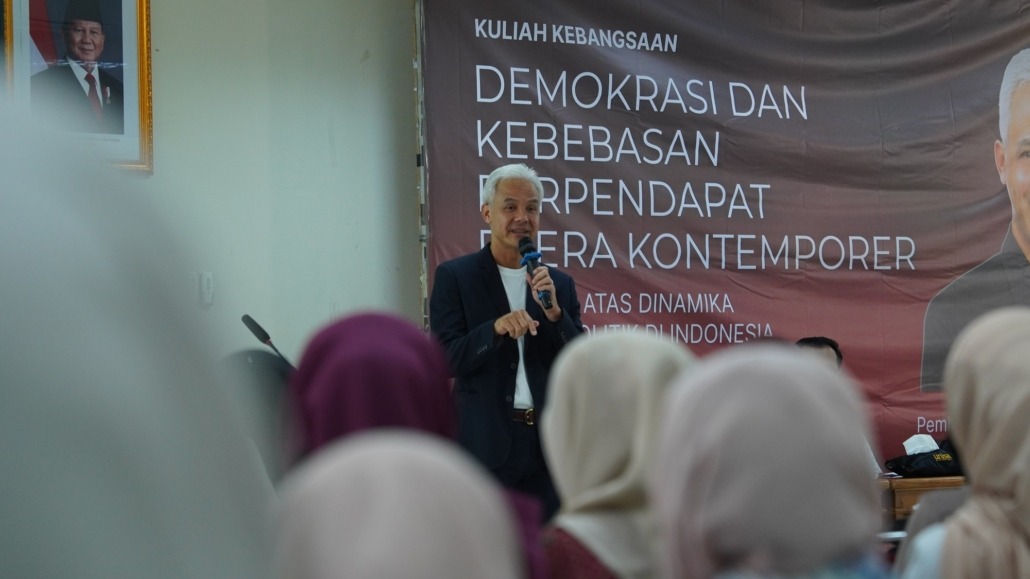
The atmosphere in the courtroom of the Siti Moendjijah building at ‘Aisyiyah University (UNISA) Yogyakarta was buzzing on Friday (10/24/25). Ganjar Pranowo, an important figure in Indonesian politics, was specially invited to be the keynote speaker at the National Lecture.

The event, initiated by the Public Administration Study Program of the Faculty of Economics, Social Sciences and Humanities (FEISHum), carried an exciting theme: “Democracy and Freedom of Expression in the Contemporary Era: Reflections on Social and Political Dynamics in Indonesia.”

Unsurprisingly, Ganjar’s presence successfully drew enthusiasm. A total of 220 participants from various study programs within FEISHum filled the room, ready to absorb knowledge and firsthand experience from the former Governor of Central Java.

UNISA Yogyakarta Vice Rector IV, Dr. M. Ali Imron, M.Fis., could not hide his delight in his speech. According to him, Ganjar’s presence was not merely to share material, but also to impart life lessons.

“The students in attendance can emulate and follow what Mr. Ganjar has done in order to be successful in their careers, especially in the context of Indonesia today,” said Imron in front of hundreds of students.

Imron hoped that this national lecture would spark useful critical discussions. “Hopefully, this national lecture will be interspersed with discussions that are beneficial to students,” he added.

In his presentation, Ganjar Pranowo thoroughly discussed the history and practice of democracy, not only in Indonesia since the country’s founding, but also compared it with its implementation in various other countries. The session was interactive, marked by various critical questions from students about the current state of freedom of expression.

Image
Image

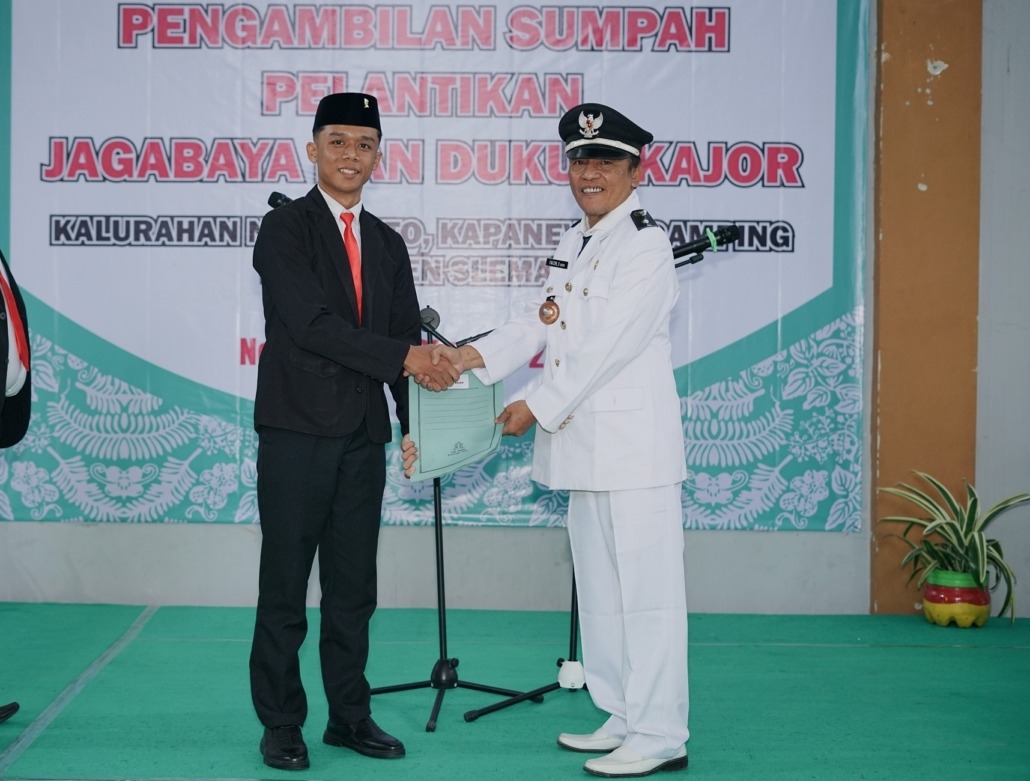
A breakthrough occurred in the village administration of Sleman Regency. A student of the Psychology Study Program at ‘Aisyiyah University (UNISA) Yogyakarta, Sito Apri Nurochim, was successfully elected as the Head of Kajor Hamlet, Nogotirto, Gamping, Sleman. What caused a stir was that he was only 20 years old.

Sito, a native of Kajor, has suddenly become the center of attention. He won the most votes in the election, beating other candidates who were much older than him. His status as an active third-semester student at the Faculty of Economics, Social Sciences and Humanities (FEISHum) UNISA Yogyakarta makes him one of the youngest Dukuh ever to hold office.

When confirmed, Sito admitted that the knowledge he gained in college was a major asset. He felt that the psychology he studied was highly relevant for direct application in managing community dynamics.

“I gained a lot of knowledge at university that has prepared me for my role as village head,” said Sito.

He cited several courses that he found to be very practical. “Courses such as Industrial and Organizational Psychology and Social Dynamics were very useful in helping me understand society,” he explained.

Despite his young age for such a significant responsibility, Sito remains undeterred. He is determined to prove that young people can also lead and bring about positive change.

“My hope is that, even at this young age, I can continue to think innovatively and creatively to make our village better and more progressive,” he stated optimistically.

Image