Image

A happy smile appears on the face of a mother in Sanden, Bantul Regency. She no longer has to travel long distances to the city just to undergo physical training and rehabilitation. Now, with the assistance of health cadres and the help of an application on a simple device, she can train at home. This story comes from Project Inclusion, a collaboration between ‘Aisyiyah University (UNISA) Yogyakarta and JAMK University Finland.

This collaboration is in line with the WHO Rehabilitation 2030 global agenda, which emphasizes that rehabilitation is a right for everyone. Through the Inclusion App, technology and local wisdom come together: village health workers are at the forefront, students are directly involved, and lecturers and researchers collaborate across countries.

“Until now, the limited number of physiotherapists has meant that villagers often miss out on access to services. The Inclusion App bridges that gap,” said a cadre who had just been trained to use the application.

The impact extends beyond health. With this application, communities save costs and time, transportation emissions are reduced, and rural women gain greater space to empower themselves as health agents. People with disabilities now have more equitable access to services that were previously difficult to reach.

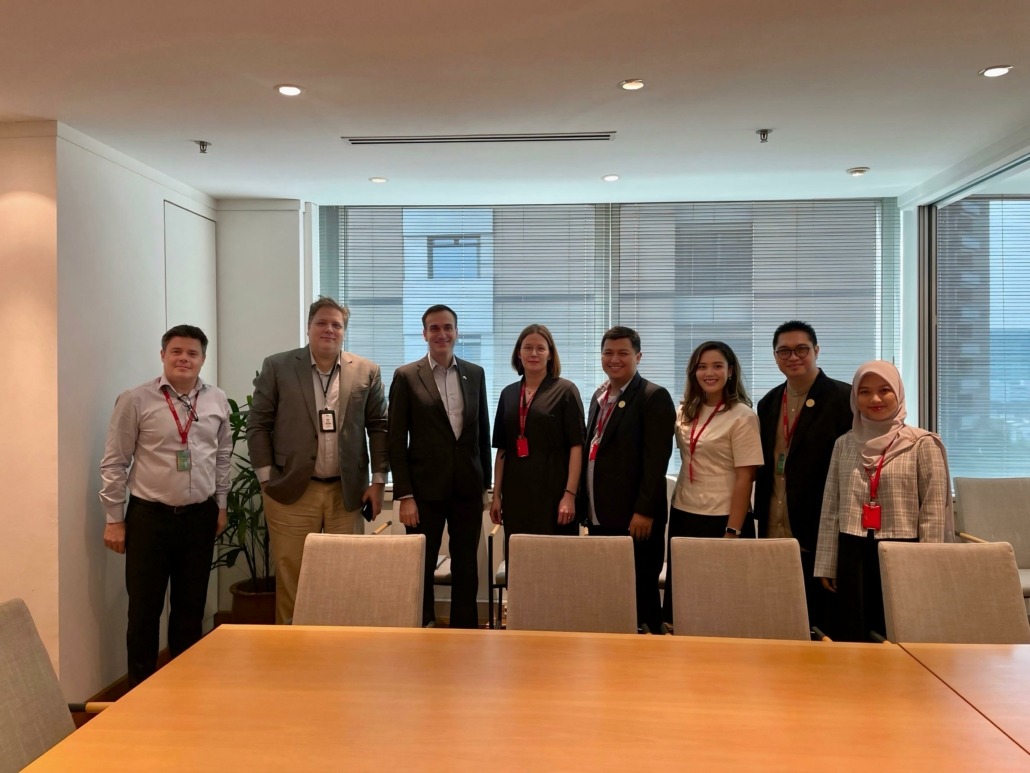
Not only that, Project Inclusion has also raised Indonesia’s profile on the international stage. UNISA Yogyakarta and JAMK have organized a cross-border Digital Rehabilitation Summit, published joint research, and opened up opportunities for exporting application-based health technology. “This is not just research, but academic diplomacy that shows that Indonesia can provide global solutions,” said one of the UNISA Yogyakarta lecturers enthusiastically.

With this initiative, UNISA Yogyakarta asserts itself not merely as a local university but as a pioneer in digital rehabilitation, bringing tangible benefits to rural communities while strengthening the nation’s global reputation.

Project Inclusion is proof that when knowledge, technology, and human compassion converge, new hope can emerge even from a small village—for the world.
Image
Image

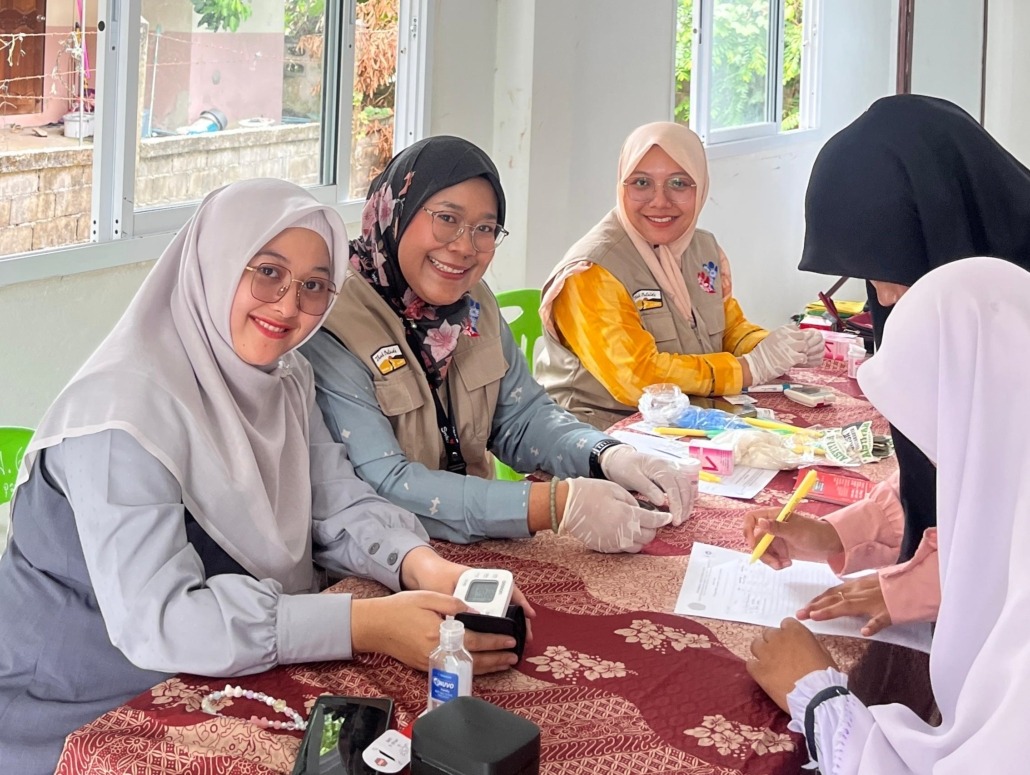
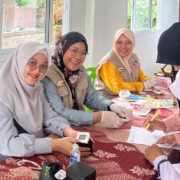
 ‘Aisyiyah University (Unisa) Yogyakarta, together with three other universities, carried out a collaborative community service activity at Phatthana Kansueksa Munnithi School, Satun, Thailand, in August 2025. This activity targeted 45 female students at the junior high and high school levels, with a primary focus on health screening and preventive education.

The theme of this community service initiative included blood pressure checks and anemia screening. In addition to the examinations, participants also received education on anemia prevention and anti-bullying as part of efforts to build awareness of physical and mental health from an early age.

The Head of the Admissions Bureau at Unisa Yogyakarta, Intan Mutiara Putri, stated that this activity not only served as a means for the university to make a tangible contribution in the international arena, but also as an opportunity to introduce Unisa Yogyakarta more widely. “We also offer scholarship programs for students in Thailand who wish to continue their studies at Unisa Yogyakarta,” said Intan on Saturday (September 13, 2025).

This community service activity also marked the conclusion of the International Community Service Program (KKN) that took place from August 4 to 30, 2025, in Southern Thailand. The program was participated in by students from four universities: Unisa Yogyakarta, Muhammadiyah University of Purwokerto, Muhammadiyah University of Tasikmalaya, and Wijaya Kusuma University of Purwokerto. The students were divided into 8 groups and placed in 8 different schools.

Unisa Yogyakarta itself sent three female students from the Bachelor of Midwifery, Bachelor of Nursing, and Bachelor of Nutrition programs to participate in the international collaborative community service program. Fayakun Nur Rohmah, Coordinator of Community Service and Community Service Programs at LPPM Unisa Yogyakarta, emphasized that this program is a tangible manifestation of international collaboration as well as a learning space for students to implement their knowledge in communities across countries.

“Through this activity, Unisa Yogyakarta is not only present in global community empowerment, but also paves the way for broader educational cooperation, especially in strengthening relations between Indonesia and Thailand through the academic world,” said Fayakun.

Image
Image

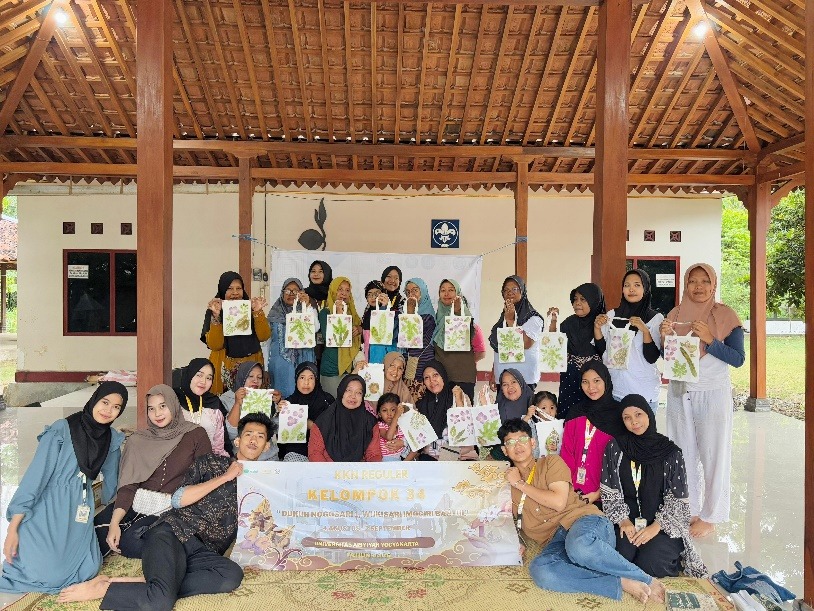
 Students from the Community Service Program (KKN) at Universitas ‘Aisyiyah (UNISA) Yogyakarta brought creative innovation to Nogosari 1 Hamlet, Sleman. On Friday (August 29), they held an “Ecoprint Training on Canvas Tote Bags,” a program to empower residents with environmentally friendly skills that have economic value.

This activity aimed to introduce the ecoprint technique, which is a method of printing patterns on fabric using natural leaves and flowers. The participants, who were mostly mothers, were invited to practice directly, starting from selecting leaves, arranging them on canvas bags, to the technique of gently pounding to transfer natural patterns onto the fabric.

The residents looked enthusiastic when they saw that the leaves around them could be turned into beautiful patterns on tote bags. They not only learned but also took home their own creations.

Field Supervisor (DPL), Ririn Wahyu Hidayati, S.ST., M.K.M., stated that this training is more than just an artistic activity. According to her, ecoprint opens up opportunities for creative economic activities for the community.

“Through ecoprinting, the community can utilize natural resources in their surroundings to create products with commercial value. The hope is that this can become an alternative small business for residents,” said Ririn.

The Head of Nogosari 1 Village, Fitri Ningsih, also praised the program. She hopes that this new skill can be developed into a collective business in the future. This initiative by UNISA Yogyakarta students participating in the Community Service Program (KKN) serves as tangible proof that community empowerment can begin with simple things in the local environment.

Image
Image

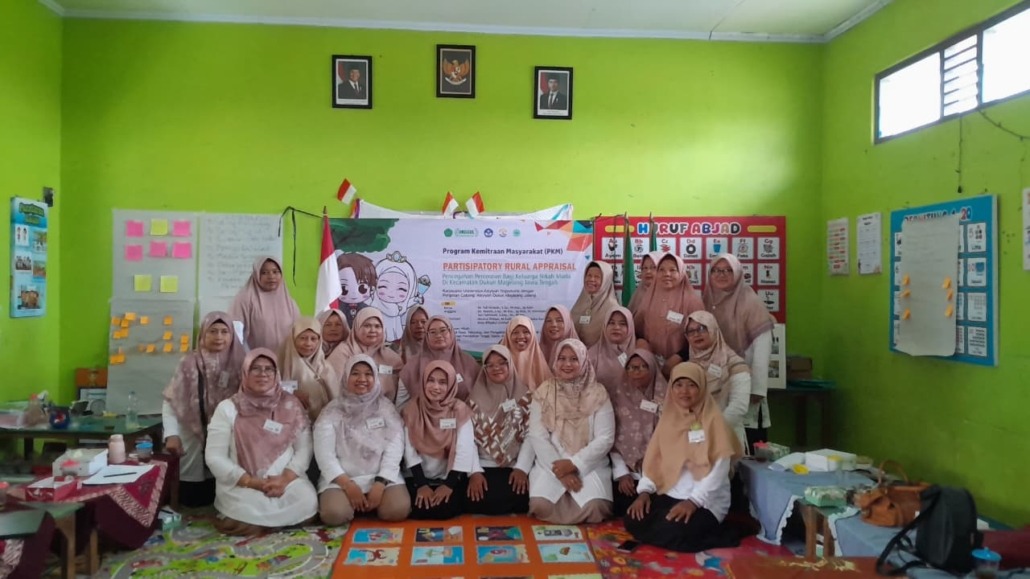
Concerned about the high divorce rate, the Community Partnership Program (PKM) team from ‘Aisyiyah University (UNISA) Yogyakarta took action. They trained 20 women from the ‘Aisyiyah Dukun Branch in Magelang to become Planned Sakinah Family Cadres (KKSB).

The Training of Trainers (TOT) event, held on Saturday (September 5), aimed to equip the cadres with the skills to assist the community, especially young married couples, in order to prevent divorce.

The head of the PKM team, Dr. Yuli Isnaini, S.Kep., M.Kep., Sp.Mat., revealed that the Dukun sub-district was chosen because the divorce rate in the area is quite high. According to her, early marriage without proper preparation is one of the main factors that trigger marital breakdown.

“Young people are the primary target because many cases of early marriage involve individuals who are not adequately prepared and lack guidance. This is the main factor behind the high divorce rate,” Yuli explained in her statement.

These KKSB cadres are expected to become active agents of change who nurture vulnerable groups. After this training, the program will continue with the formation of the Sakinah Empowered Family Community (KKSB) and ongoing mentoring.

One of the students involved, Khoirul Wildan, said he gained new insights from this activity.

“Even though we are not yet married, our minds have been opened to new ways of building a sakinah family in the future,” he said.

This initiative is a concrete step taken by UNISA Yogyakarta to strengthen family resilience and reduce divorce rates at the grassroots level.

Image
Image

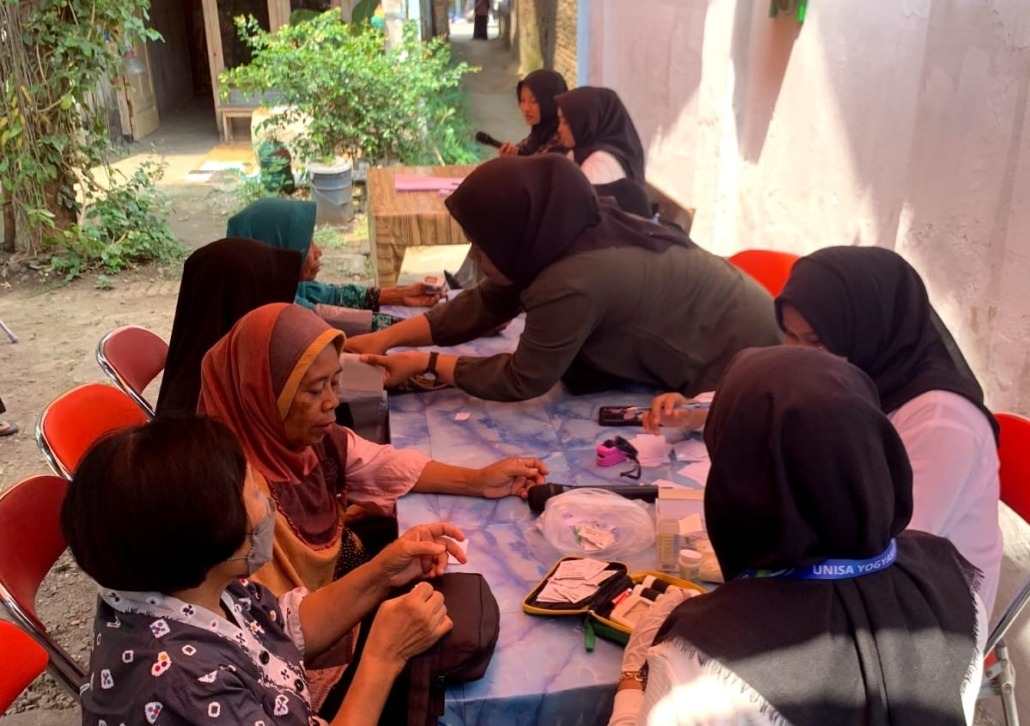
 Students from the Community Service Program (KKN) Group 49 of ‘Aisyiyah University (UNISA) Yogyakarta held a health education session on the risks of hypertension and balanced nutrition for residents of Gentingan Hamlet, Sidoagung, Sleman. The event, which was held on Wednesday (September 3, 2025), aimed to raise awareness among residents about the dangers of high blood pressure and the importance of a healthy diet.

This program was initiated after observing that many residents still lacked understanding of the risk factors for hypertension and how daily eating habits could influence it. Therefore, this educational initiative serves as an effective and easily implementable preventive measure.

During the session, the students did not merely deliver one-way instruction. Residents were encouraged to discuss, ask questions, and even practice measuring blood pressure correctly. The students also provided informative posters as practical guides for the community.

Darsono, head of RW 06 Gentingan Hamlet, welcomed this activity. “This activity broadens residents’ knowledge about how to manage their health. I hope programs like this will continue to be developed,” he said.

The residents’ enthusiasm was evident from their active participation. Field Supervisor (DPL) Erni Saharuddin S.SOS., MPA., added that this activity builds public awareness to be more concerned about diet and the importance of early health checkups.

“The active involvement of residents is the key to the success of this program. We are grateful for their enthusiasm,” said the head of the KKN group, Muhammad Agyl Aulia Al Ghiffari.

Through this program, UNISA Yogyakarta is realizing its commitment to the Impactful Campus program, in which universities become agents of positive change in the field of public health.

Image