
Ministry of Research, Technology, and Higher Education Encourages Universities to Actively Address Social Issues, Unisa Yogyakarta Realizes This Through MBG
The Ministry of Higher Education, Science and Technology (Kemendiktisaintek) encourages higher education institutions to play a greater role in addressing social issues. One such issue is stunting, which is being tackled through the Free Nutritious Meals (MBG) program.
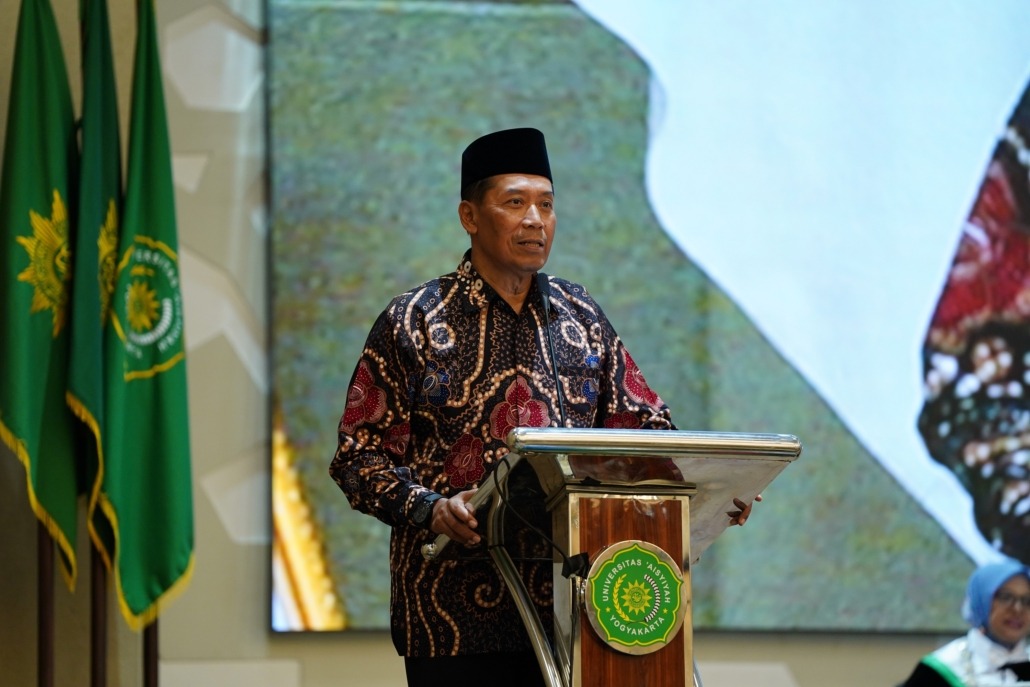
“Higher education is the center of civilization. We expect higher education institutions to play a greater role in addressing social issues. All research products owned by universities are beneficial to the surrounding community, whatever they may be,” said Deputy Minister of Education, Science, and Technology, Fauzan, after attending the Open Senate Session of the Anniversary of ‘Aisyiyah University (Unisa) Yogyakarta, at the Convention Hall of the Walidah Dahlan Mosque, Tuesday (10/14/2025).
According to Fauzan, while universities may conduct research, if it is merely stored away or remains confined to journals or prototypes, it is not being utilized optimally. The research outcomes of universities should be applied to address societal challenges.
Fauzan said that Unisa Yogyakarta, which excels in the field of health, is very likely to apply various researches for the needs of the community. One example is the MBG program, which aims to overcome stunting.
“I think the issue of stunting is highly relevant to Unisa Yogyakarta. So, whatever the campus has, whatever potential the campus has, it is hoped that it can be contributed to overcoming the problem,” said Fauzan.
It is known that Unisa Yogyakarta is actively involved in the National Strategic Project through the MBG program. This program is a form of Unisa Yogyakarta’s tangible support for the government’s efforts to improve the nutritional status of elementary school children, especially in areas that require special attention.
“Through the involvement of students and lecturers from various study programs, Unisa Yogyakarta plays a role in ensuring that every stage of the activity, from menu planning and serving to nutrition education, is carried out in accordance with health standards and sustainability principles,” said Warsiti, Rector of Unisa Yogyakarta.
SPPG Unisa Yogyakarta has served 12 schools from kindergarten to high school levels, with a daily beneficiary count ranging from 1,200 to 1,900 students, including both Muhammadiyah-affiliated schools and public schools. The service capacity is targeted to increase to 3,500 beneficiaries per day by mid-2025. The program has been well-received by schools and students, who feel assisted in obtaining healthy, nutritious, and balanced meals, such as at SDN Serangan.