Ibu Hamil 1

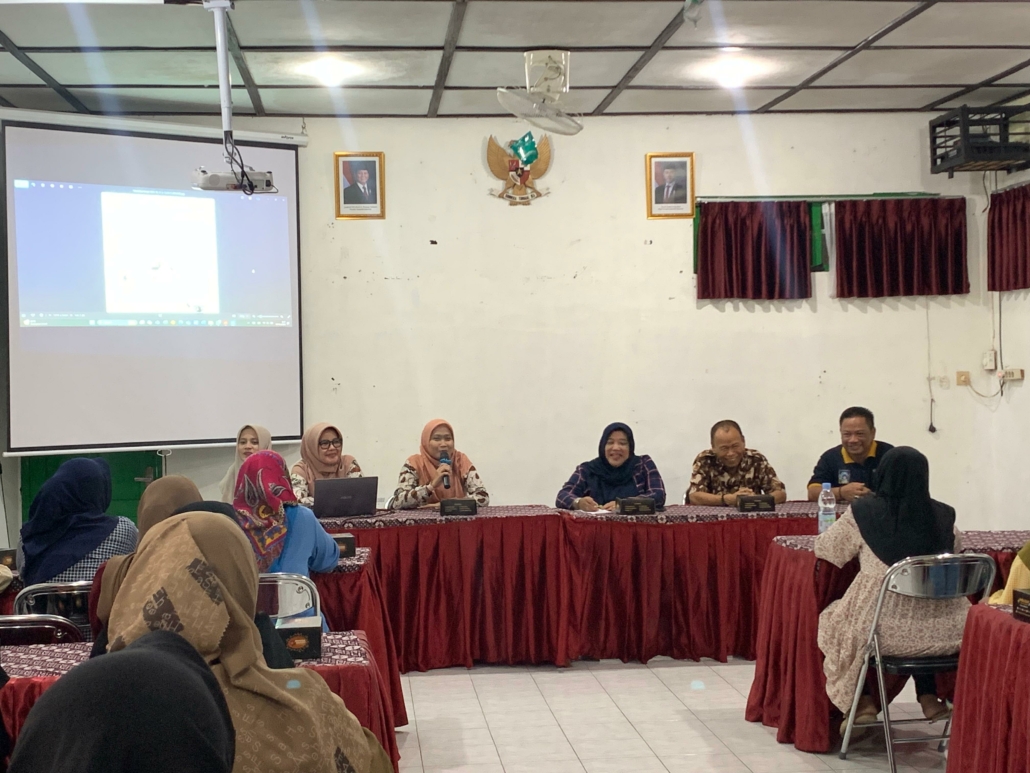
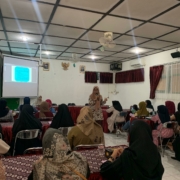
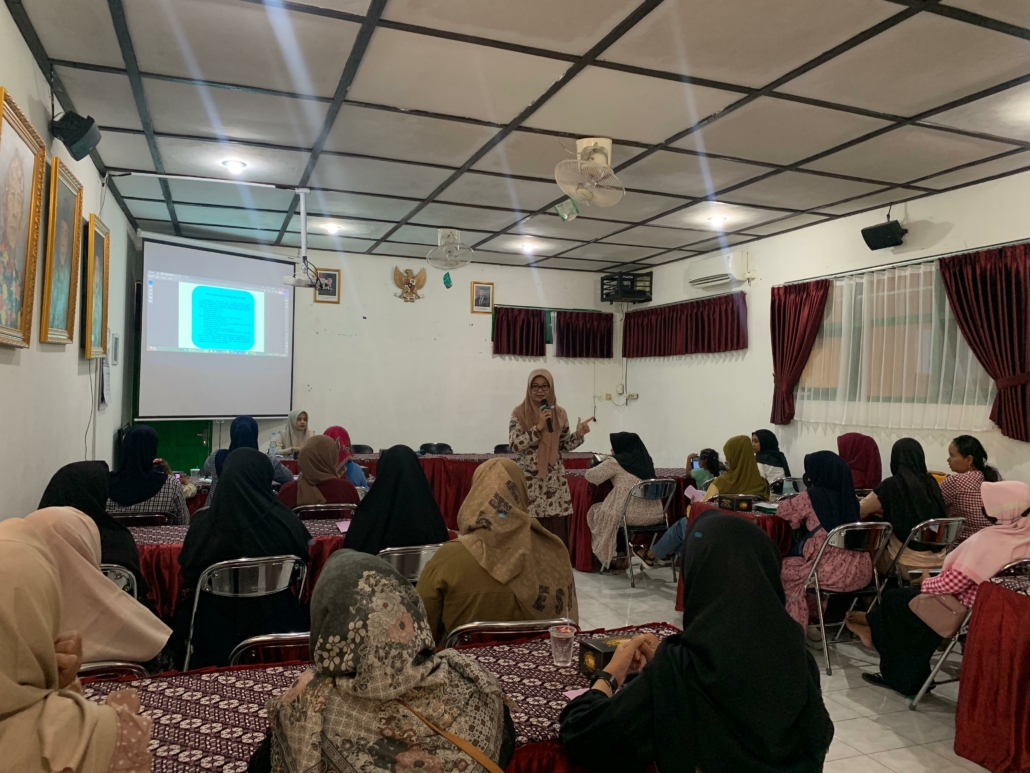
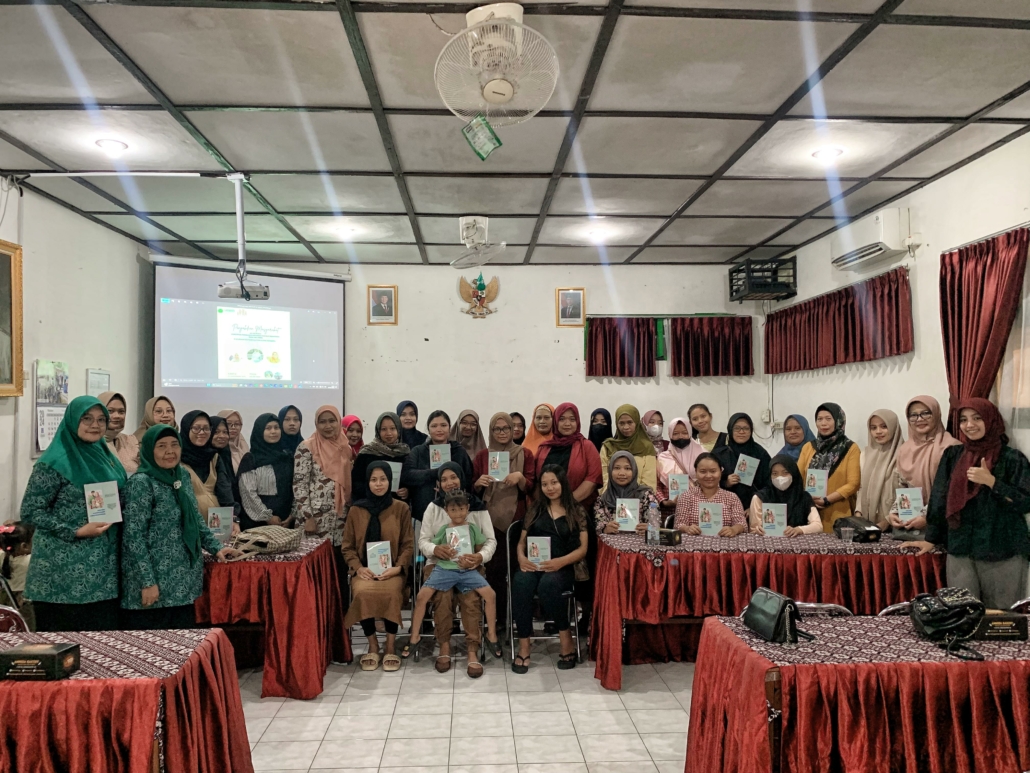
Universitas ‘Aisyiyah (UNISA) Yogyakarta shows its concern for the health of mothers and children. This time, through the Midwifery Study Program, UNISA Yogyakarta initiated the PERSIA Class (Preparation for Happy Childbirth and Prosperous Babies) aimed specifically at pregnant women in Banyuraden Village, Gamping, Sleman.

This community service activity was held on Saturday (02/11), and was attended by 37 pregnant women and local health cadres. The PERSIA class aims to provide comprehensive education to pregnant women about the process of pregnancy, childbirth, and baby care. The materials presented included mental and physical preparation before labor, relaxation techniques, newborn care, and the importance of nutrition for pregnant women and babies.

The head of Banyuraden Village TP PKK, Kwintartiningsih Puspo Putri, welcomed UNISA’s initiative. According to her, the PERSIA class is very beneficial for pregnant women in her area, considering the importance of careful preparation in facing childbirth.

“This activity provides valuable supplies for pregnant women, so that they can undergo pregnancy with more peace and comfort,” she said.

Nidatul Khofiyah, S.Keb., Bd., MPH, Head of UNISA’s community service team, explained that the main goal of the PERSIA class is to create a healthy and intelligent next generation.

“By providing the right education early on, we hope to reduce the stunting rate and improve the quality of life of children,” she said.

One of the important points discussed in the PERSIA class was the mental health of pregnant women. Ms. Suyani, S.ST., M.Keb, said that anxiety and depression are often experienced by pregnant women. Therefore, support from family and the environment is very important to maintain the mother’s mental health.

“Pregnancy is a time full of emotions. Support from husband, family, and health workers can help pregnant women overcome anxiety and stress,” said Bdn. Suyani.

Nuli Nuryanti Zulala, S.ST., M.Keb., also emphasized the importance of positive labor support. Good support can make the labor process more comfortable and enjoyable for the mother.

“Praise, touch, and clear explanations during labor can increase the mother’s confidence and reduce pain,” she explained.
Ibu Hamil 1

News, News

Collaborative research conducted by Universitas ‘Aisyiyah (UNISA) Yogyakarta and Sebelas Maret University (UNS) has successfully explored the implementation of Islamic values in midwifery care for pregnant women. The main focus of this research is how midwifery students are able to integrate spiritual approaches in midwifery care practices, specifically to improve patient comfort and well-being.

Pregnant Women

The research, chaired by Endang Koni Suryaningsih, S.ST., MSc.N-M., Ph.D, consisted of a team of lecturers and midwifery students from Unisa Yogyakarta together with a team of lecturers and midwifery students from UNS, using qualitative methods with in-depth interviews, observation, and data analysis from midwifery students in the fifth semester. Participants were selected based on their experience in midwifery clinical practice. This research successfully revealed the various ways Islamic values are applied in health services provided to pregnant women.

Koni said the first finding of this study was the implementation of Islamic values in midwifery services, in midwifery practice, students familiarize themselves with reading basmalah before action and hamdalah after completion. “They also provide spiritual guidance to pregnant women, such as teaching prayers before labor or suggesting dhikr and prayers to overcome anxiety. This practice not only supports pregnant women psychologically but also provides a meaningful spiritual experience,” said Koni, Monday (9/12/2024).

Second, the benefits of a spiritual approach for the patient; an Islamic-based approach helps to reduce the anxiety of pregnant women, creates a sense of calm, and increases trust in healthcare providers. Pregnant women who receive this spiritual support feel more prepared for labor, which in turn can help the labor process run more smoothly.

Third, the usefulness of Islamic values for students; students involved in this study reported that the application of Islamic values helped them become more empathetic and communicative in providing services. In addition, this experience strengthened their understanding of the importance of providing holistic care, including physical, psychological and spiritual aspects.

Fourth, challenges in implementation; some students faced obstacles such as time constraints during clinical practice and patients’ lack of understanding of the importance of spiritual aspects in healthcare. However, these obstacles can be overcome with effective communication and further training.

Dr. Koni said the conclusion of this study is that the application of Islamic values in midwifery services provides great benefits, both for students and patients. Students are able to provide more humane care, while patients feel more comfortable and valued.

“Some recommendations from the results of this study include strengthening the curriculum by adding learning modules related to spiritual approaches in midwifery services. Clinical practice training, conducting intensive training for students to improve skills in integrating spiritual aspects in care. Service evaluation, developing an evaluation mechanism to ensure the implementation of Islamic values in midwifery practice,” said Koni.

Koni said the expected impact of the results of this research can be a reference in the development of midwifery education in Indonesia. By integrating Islamic values, the midwifery profession can provide more comprehensive and meaningful services, and support efforts to improve the quality of health services in the community.

“This study also shows the importance of a spiritual approach in health services, especially in providing psychological and emotional support to pregnant women. This emphasizes the role of midwives as health workers who are not only clinically in charge, but also able to build relationships that are full of empathy and support for patients,” she said.

Tags: aisyiyah, banggamenjadiunisa, beunisa, ibu hamil, unisayogya

Goblok

News, News

In the early 90s, political magazines and newspapers in Indonesia were busy with the word “stupid” which was put forward by Gus Dur, who was then chairman of PBNU and Chairman of the Democracy Forum. Initially the word stupid was uttered by Gus Dur when he was interviewed by an English-language foreign media. “He is stupid” is what Gus Dur said when asked his opinion about the steps taken by Soeharto at that time.

Saying Soeharto is stupid in the context of Indonesian politics at that time not only requires extraordinary courage, but also based on strong arguments. So almost all audiences admired Gus Dur’s courage and affirmatively agreed with him. After that statement, the political struggle between NU, Fordem, the Government, and ABRI as Soeharto’s defenders was violent. Starting from the banning of seminars to the attempted overthrow of Gus Dur from the chairman of PBNU.

Idiot

Not long ago, about 2 years ago, Philosophy Expert Rocky Gerung said that Jokowi was “dumb” when he spoke on one occasion. According to Rocky, Mr. Jokowi was an idiot because he did not understand the fundamentals of governance. The Indonesian media world was abuzz. There were both pros and cons.

As usual the palace or Jokowi never responded to RG’s criticism even though to most ears the word “imbecile” is harsh. Instead of experiencing difficulties like Gus Dur, Mr. RG is flying high and being invited everywhere. It seems that Jokowi’s opposition is happy with RG’s expression.

In recent days, the word “goblok” was released “over” iced tea by a presidential special staffer at a recitation forum. The word then went viral and was cut into pieces in a social media video which eventually gave rise to an intention that the word goblok was so insulting. Even on social media, it was peppered with very personal opinions about the president’s special staff that were not liked before and followed by a push for dismissal.

If we look at the context in the iced tea event, it was actually a joke that is common in similar forums in other places and ordinary people. When a trader has not been able to sell his merchandise, it could be that he is not good at selling, aka stupid. So where did the word idiot go wrong to cause blasphemy.

Perhaps the one who said it today is the president’s assistant, who in yesterday’s election was not the netizen‘s choice. The question is why the word dumb thrown at a president is considered more appropriate by netizens than the word stupid for an iced tea seller? Is it fair?

By: Moh. Ali Imron, S.Sos., M.Fis. (Vice Rector IV for Cooperation and International Affairs of Unisa Yogyakarta)

Tags: aisyiyah, banggamenjadiunisa, beunisa, goblok, unisayogya

Umkm

News, News, Research

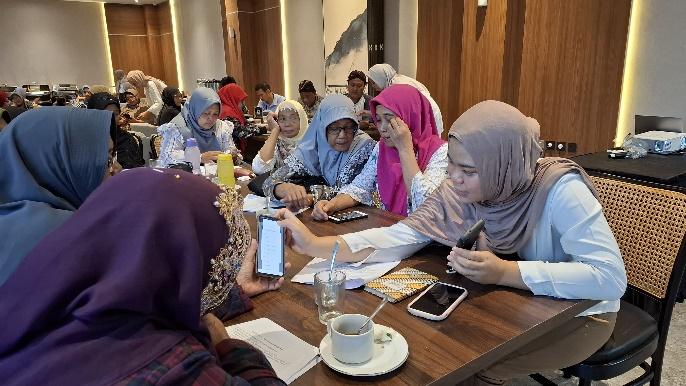
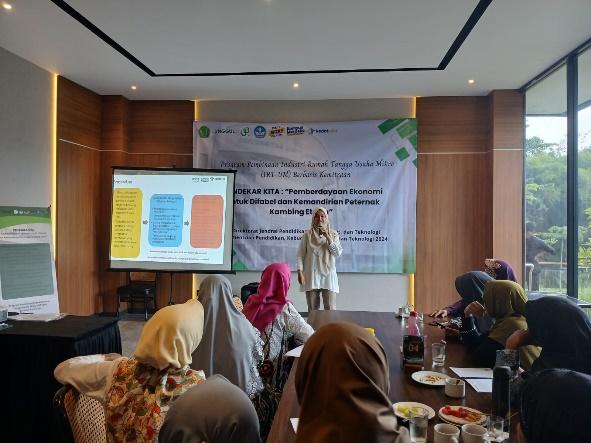
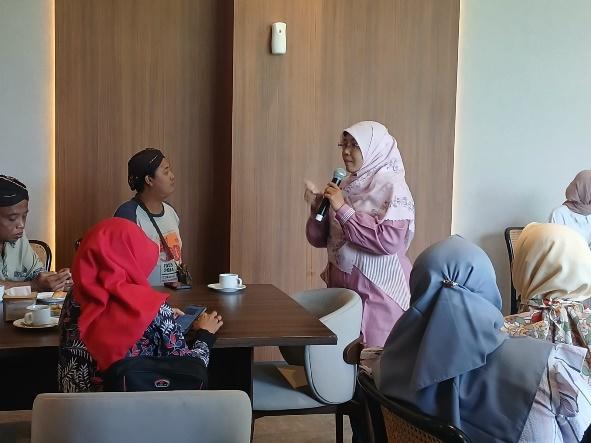
The Community Service Program of Universitas `Aisyiyah (UNISA) Yogyakarta has successfully equipped local micro, small and medium enterprises (MSMEs) with essential financial management skills through a workshop on Sunday (10/11). Held at Isvara Riverside Resto and Hall, the event brought together 24 participants from various backgrounds, including disabled crafters, eco-print businesses and goat milk producers.

The training session began with the presentation of training materials on the principles of business financial management and the preparation of business analysis documents by Diska Erliana Hafni, S.E., M.SA., Akt. CA and Ms. Avininda Dewi Nindasari, SE., M. Ak who are lecturers of the Accounting study program at UNISA Yogyakarta.

The workshop themed “PENDEKAR KITA” aims to empower entrepreneurs, especially people with disabilities, through financial literacy and digital tools. Participants were introduced to the basic principles of accounting, business analysis, and the practical use of the digital accounting application “SIAPIK”.

By mastering digital accounting, MSMEs can now make informed business decisions, track financial performance, and ultimately scale their operations. UNISA’s initiative is a testament to the university’s commitment to fostering a more inclusive and sustainable economy.

Tags: aisyiyah, banggamenjadiunisa, beunisa, umkm, unisayogya

Bangun Sdm 2

News, News

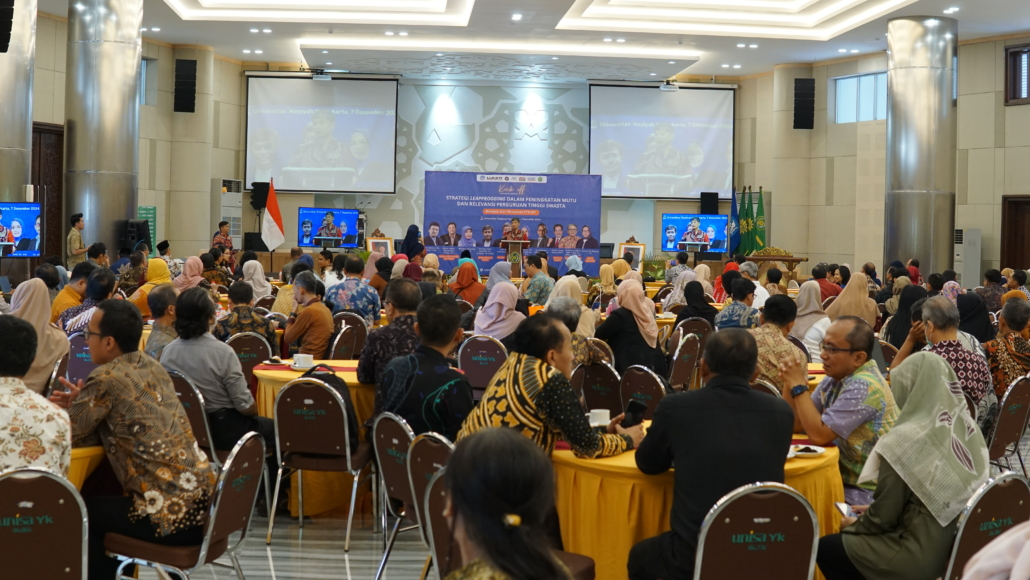
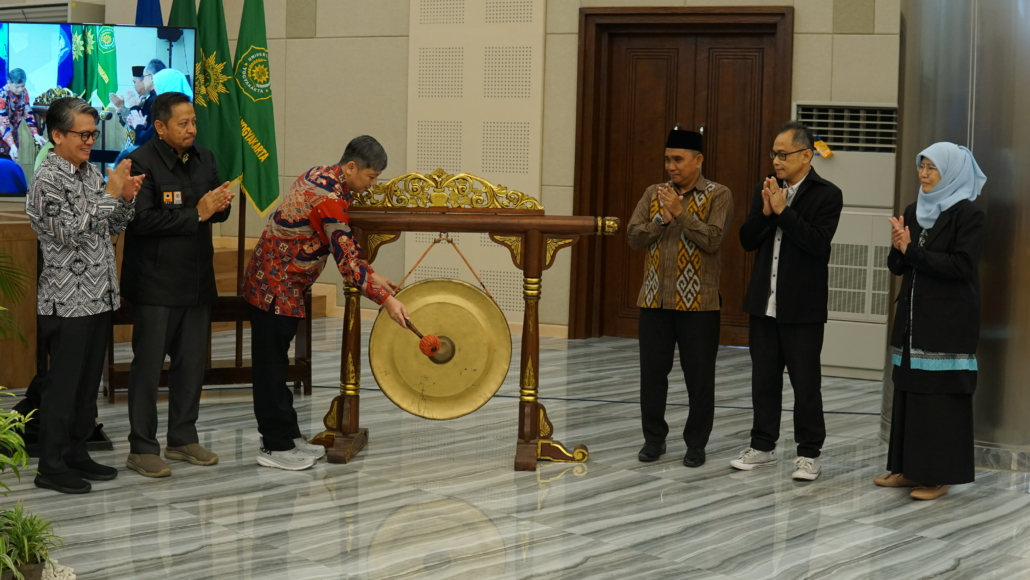
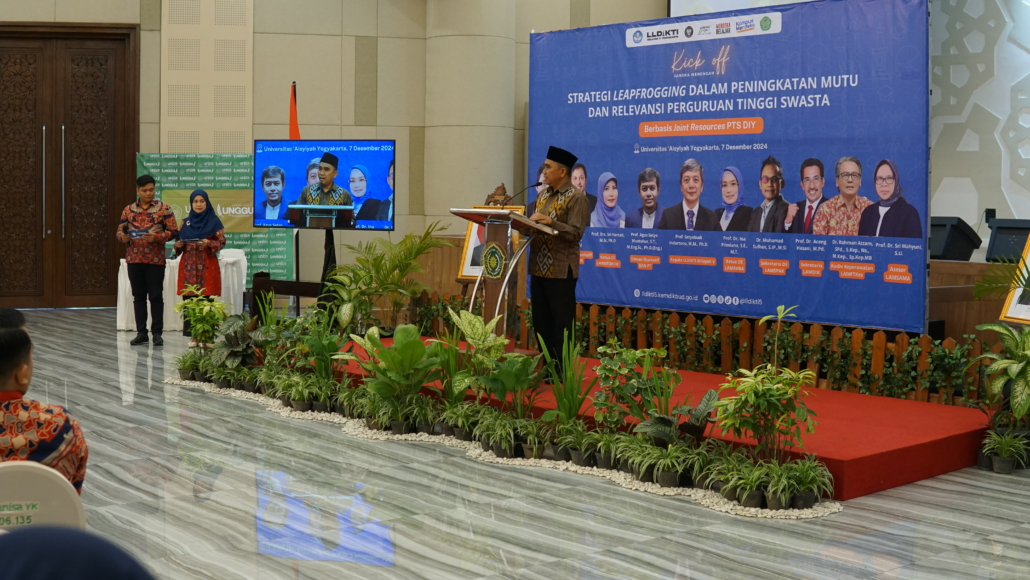
Universitas Aisyiyah (UNISA) Yogyakarta hosted the mid-term kick off of the Leapfrogging Strategy in Improving the Quality and Relevance of Private Universities Based on Joint Resource PTS DIY, organized by LLDIKTI Region V at the Convention Hall Walidah Dahlan Mosque Unisa Yogyakarta, Saturday (7/12/2024). This activity is expected to be a big leap in improving human resource development and education in Indonesia.

“Hopefully through this place, it will be a big leap to improve human resource development in Indonesia,” said Vice Rector IV for Cooperation and International Relations of Unisa Yogyakarta, M. Ali Imron, M.Fis.

Imron also mentioned the importance of this event to increase collaboration between Private Universities (PTS) in DIY. He reminded the meaning of Surah Ali Imron verse 103 which means about the command to maintain unity and the prohibition to divide in social life.

The Head of LLDIKTI Region V, Prof. Setyabudi Indartono, M.M., Ph.D. explained that the leapfrogging strategy that utilizes the collective resources of PTS in DIY is a new approach to bridge the gap between institutions and encourage the creation of a more dynamic and competitive academic environment. He also said that this activity is an effort towards a big leap in improving the quality of education by utilizing shared resources between PTS in DIY.

“With close collaboration, it is expected to reduce the gap between universities and create a more dynamic and competitive academic environment,” said Prof. Setyabudi.

Prof. Setyabudi also expressed his gratitude for being facilitated by Unisa Yogyakarta. “We are very honored to be provided with facilities by Unisa Yogyakarta. Unisa Yogyakarta is one of the private universities in Yogyakarta that has superior accreditation,” he said.

The event featured prominent figures from academia, including representatives from BAN-PT, LAM INFOKOM, LAMEMBA, LAMSPAK, LAM TEKNIK, and LAMDIK. Their presence emphasized the importance of this initiative and the commitment of various stakeholders to improve the quality of higher education.

Tags: aisyiyah, banggamenjadiunisa, beunisa, sdm, unisayogya