Bimbingan Teknis 1

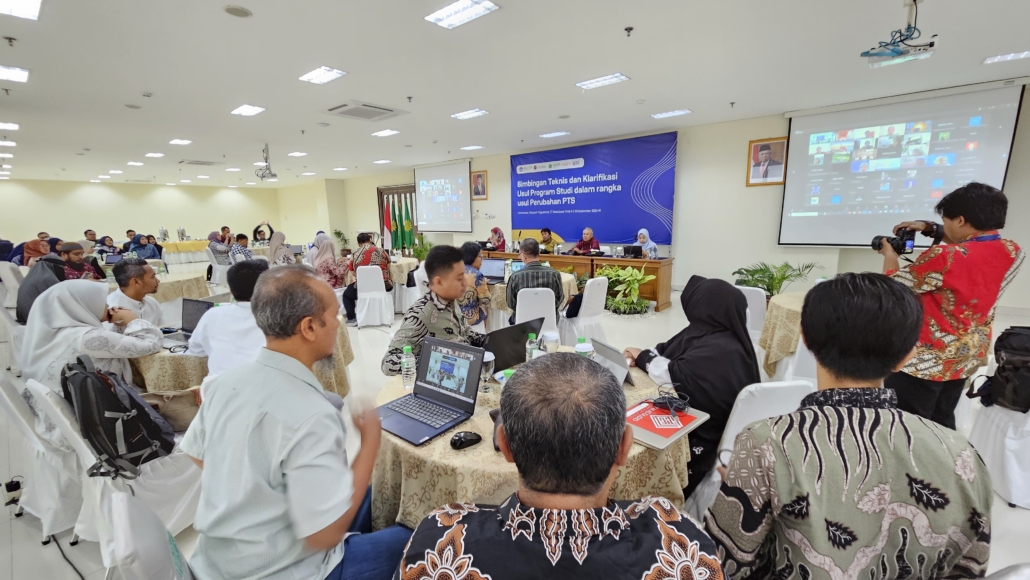
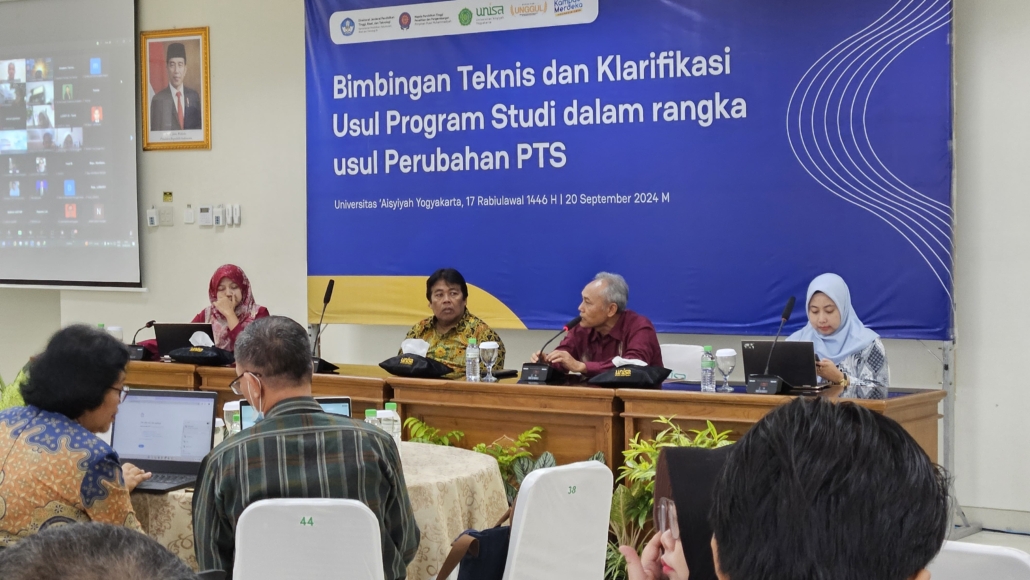
Universitas ‘Aisyiyah (UNISA) Yogyakarta once again strengthened its role in the development of higher education by hosting the Technical Guidance and Clarification of Study Program Proposal. The event was held at Siti Moendjiyah Building, 2nd Floor, UNISA Yogyakarta, Friday (20/9) in order to propose changes to Private Universities (PTS). This activity was initiated by the Directorate of Institutionalization of the Ministry of Education, Research and Technology in collaboration with the Research and Development Council of PP Muhammadiyah.

Technical Guidance

The event was attended by 55 participants who took part offline and was held in a hybrid format. In his speech, Vice Rector IV for Cooperation and International Affairs of UNISA Yogyakarta, M. Ali Imron, S.Sos., M.Fis, expressed his appreciation for the implementation of this activity at UNISA.

“We would like to welcome all participants. Every effort to improve the quality of education, UNISA is committed to being actively involved. We hope that this Technical Guidance will run smoothly and bring great benefits to the development of higher education,” he said.

He also quoted Al-Mujadilah verse 11 which states that Allah elevates the degrees of the knowledgeable. “Universities are one of the pillars in creating good education. Only through quality education can we prevent the destruction of a civilization,” he added.

At the end of his speech, M. Ali Imron also apologized for any shortcomings in the preparation of this event and hoped that this activity would strengthen UNISA’s relevance and role in society.

Prof. Dr. Harun Joko Prayitno from Majelis Dikti Litbang PP Muhammadiyah also gave a briefing. He emphasized the importance of building study programs that can be trusted by the community. “A new study program that has the trust of the community is characterized by increased interest in choosing the study program. Working on the proposal seriously is part of the effort to get the pleasure of Allah SWT,” he said.

With the implementation of this activity, UNISA Yogyakarta has further strengthened its role in supporting the improvement of the quality of education in Indonesia, especially in terms of developing study programs that are relevant and beneficial to the wider community.

Tags: aisyiyah, banggamenjadiunisa, beunisa, unisayogya
Aimep 2024

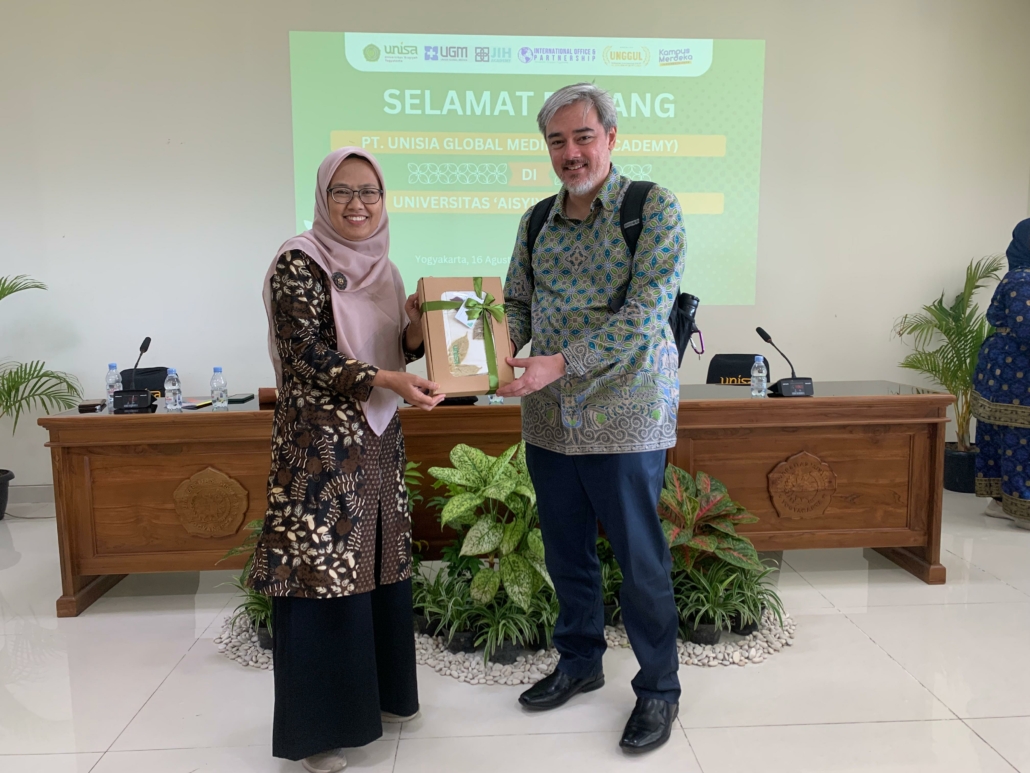
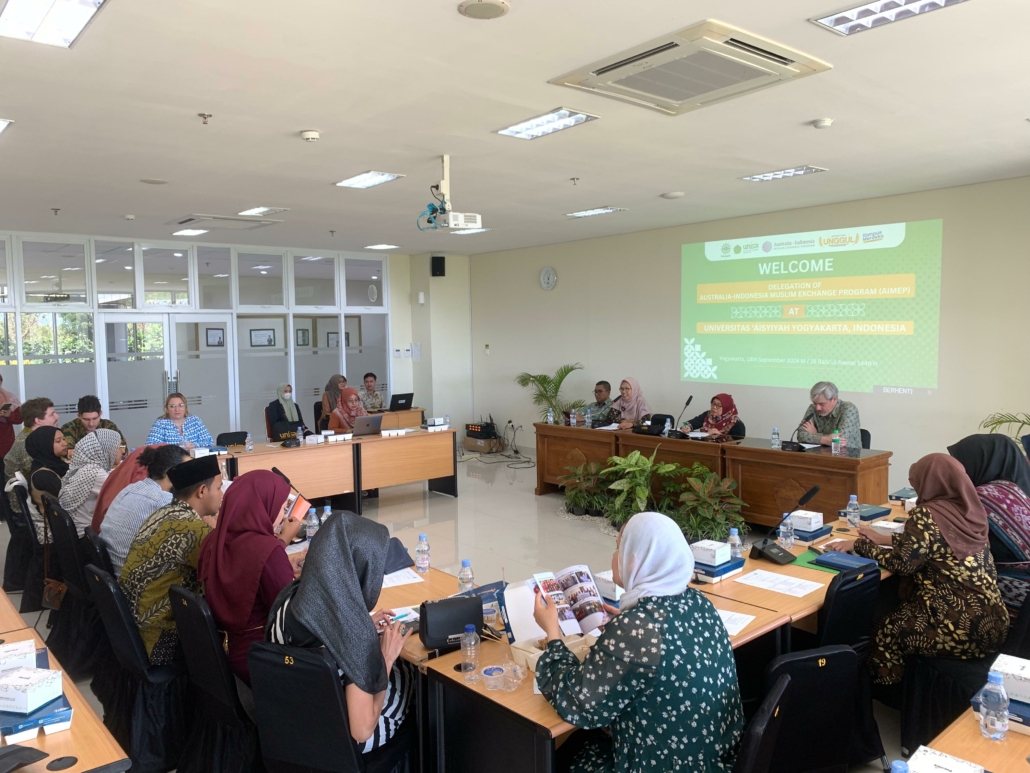
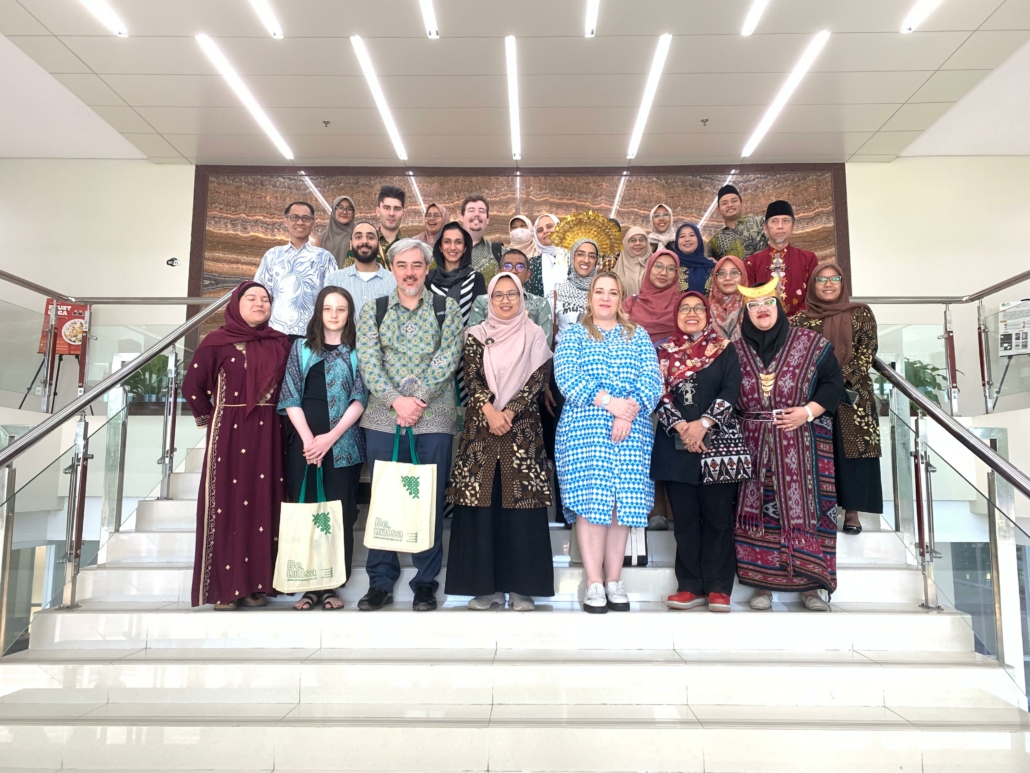
Universitas ‘Aisyiyah (UNISA) Yogyakarta received a visit from the Australia-Indonesia Muslim Exchange Program (AIMEP) 2024. The event, which took place at Siti Moendjijah Building on Wednesday (18/09), was attended by important figures from both countries, including representatives of the Australian Embassy and UNISA leadership.

AIMEP 2024

AIMEP, an exchange program that has been running since 2002, aims to strengthen relations between Indonesia and Australia through interfaith and cultural dialogue. By bringing together young leaders and change agents from both countries, AIMEP seeks to build bridges of understanding and create strong networks.

The Rector of UNISA Yogyakarta, Dr. Warsiti, S.Kp., M.Kep., Sp.Mat warmly welcomed the AIMEP delegation.

“We are honored to be chosen as the host of this activity. Hopefully this visit can inspire us all to continue to strengthen our relationship and international cooperation,” she said.
For the next two weeks, the AIMEP 2024 participants will participate in various activities in Indonesia, including visiting a number of educational institutions and communities. Hopefully, through this program, the participants can learn from each other and share experiences, so that they can become agents of positive change in society.

Tags: aisyiyah, australia, banggamenjadiunisa, beunisa, unisayogya
Masa Taaruf 2

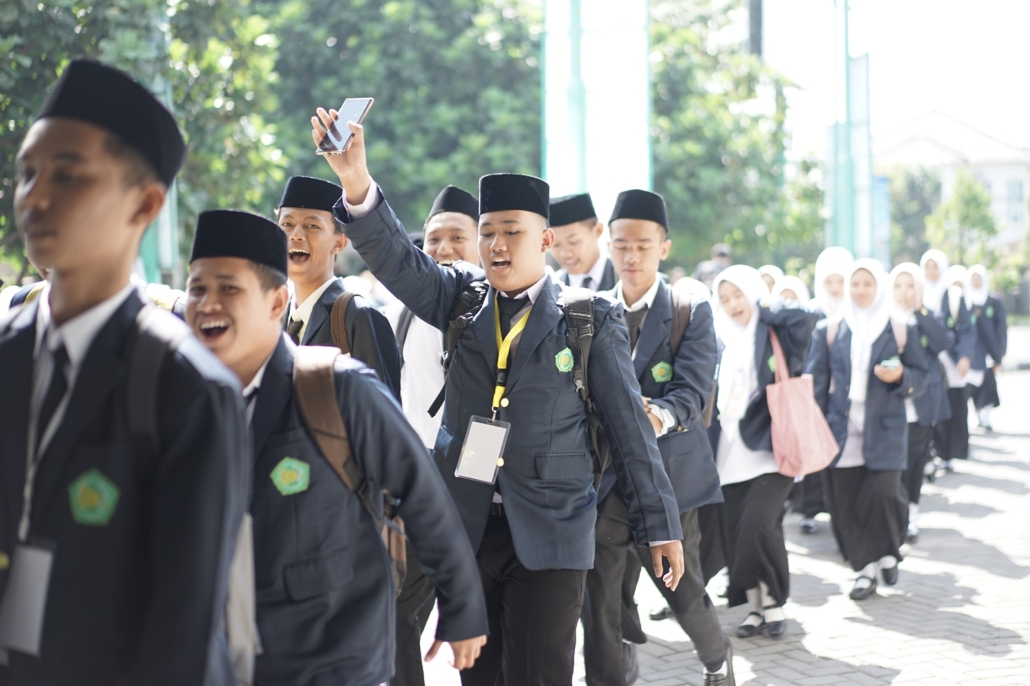
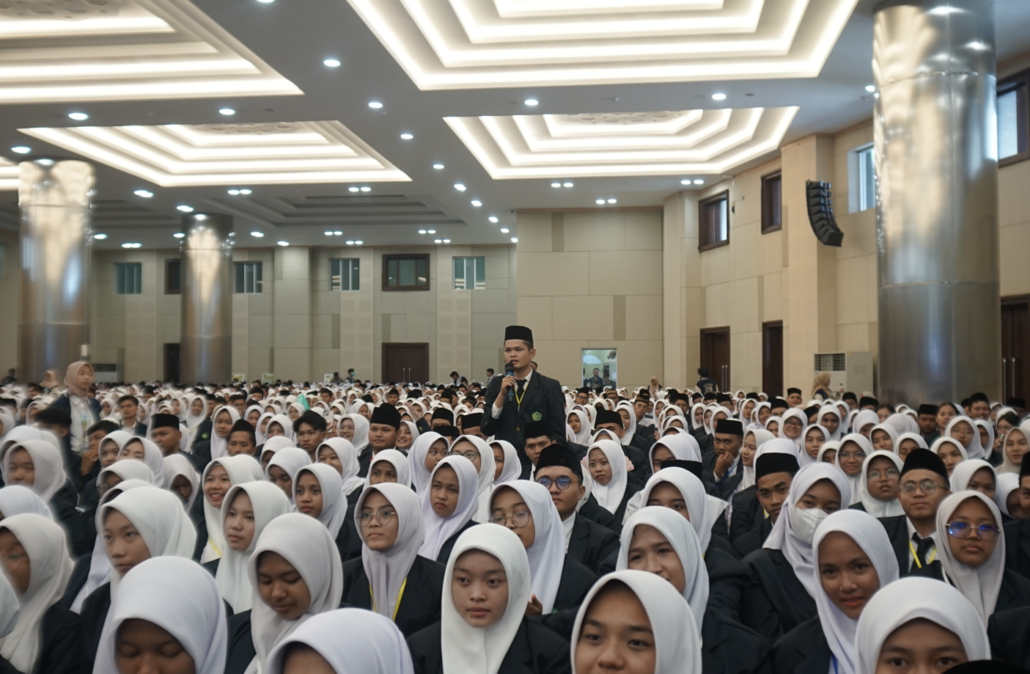
Universitas ‘Aisyiyah (UNISA) Yogyakarta organized a Masa Taaruf (MATAF) for the new students of 2024 which took place on September 17-21, 2024 at the UNISA Yogyakarta campus. The event aimed to introduce the campus environment, faculties, and study programs to the 2,350 new students, selected from 6,240 applicants.

Taaruf Period

The Rector of UNISA Yogyakarta, Dr. Warsiti, S.Kp., M.Kep.Sp.Mat, opened the event by saying that this year’s theme is “Young Generation with Knowledge, Advancing the Nation’s Civilization.” This theme is expected to inspire students to develop creativity and produce innovative ideas that are beneficial to the environment and society.

Warsiti also emphasized that UNISA students must have moral and spiritual excellence, as well as leadership skills, in addition to academic intellectual competence. “Mataf will be a provision for students to adapt to the new environment and hone soft skills that are important in campus life,” she explained.

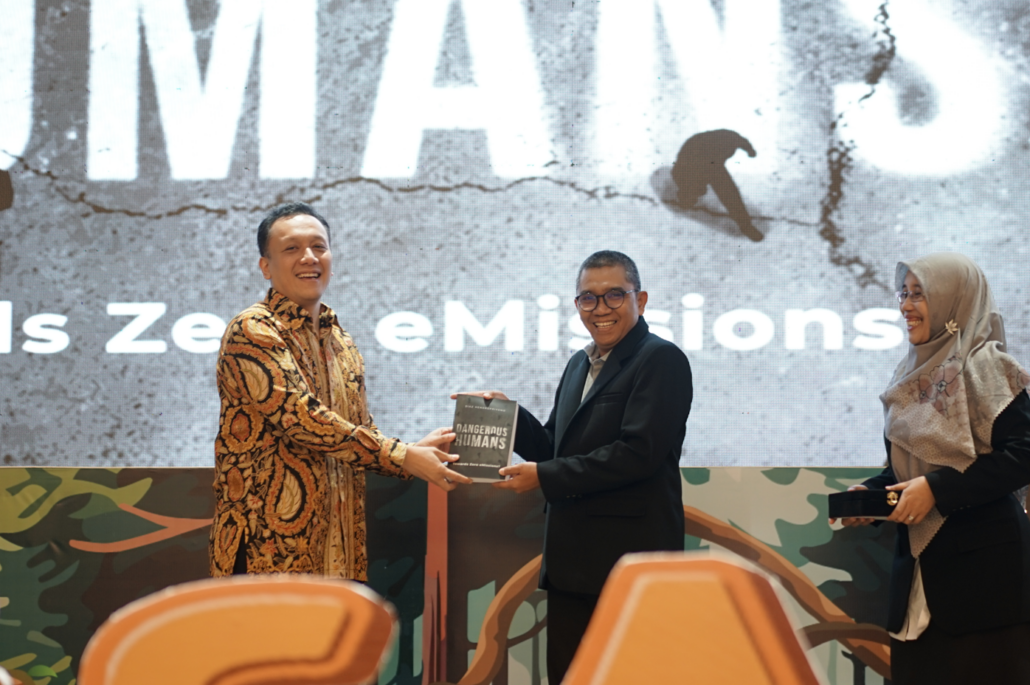
In a series of MATAF activities, several national figures attended as speakers, including the President’s Special Staff, Diaz Hendropriyono, Yogyakarta Police Chief represented by Dirlantas Polda DIY, Kombes Pol Alfian Nurrizal, and Secretary of the Research and Development Council of PP Muhammadiyah, Prof. H. Ahmad Muttaqin.

Diaz Hendropriyono presented the theme “Indonesia’s Solution to Climate Change”, inviting new students to be more concerned about environmental issues. “Climate change will affect the availability of land and clean water. Education related to climate change must be strengthened, including in the energy sector and waste management,” Diaz said.

Meanwhile, Dirlantas Polda DIY Kombes Pol Alfian Nurrizal conveyed about the security and traffic situation in Yogyakarta, which is a major concern considering Yogyakarta as an educational city and tourist destination. He also reminded students to always obey traffic rules to reduce the significant number of accidents in Yogyakarta.

Vice Rector IV of UNISA Yogyakarta for cooperation and international affairs M. Ali Imron, S.Sos., M. Fis added that the value conveyed at Mataf activities is that the Aisyiyah Muhammadiyah organization is now fighting on a civilization scale.
“So this value must indeed be passed down to new generations that whatever we are from wherever we come from we must build a better civilization of life, world civilization. So whatever he is, he must have these values so that it is no longer regional, the way of thinking is already global,” said Ali Imron.

He hopes that the new students of UNISA Yogyakarta, especially those from outside Yogyakarta, can be cultured in life in Yogyakarta.

Ali Imron also said that UNISA scholarships include scholarships for prospective new students, such as bonding scholarships, hafidz scholarships, achievement scholarships, partnership scholarships, influencer scholarships, civitas scholarships, KIP-K scholarships and smart sleman scholarships. As well as on-going scholarships which include student study assistance scholarships and study achievement improvement scholarships.

“The total number of scholarship recipients in 2023/2024 is 658 students. The total scholarship amounted to Rp 8 billion,” he said.
He advised new students to feel happy to be part of Unisa Yogyakarta because this campus offers a pleasant and supportive environment.

In addition to the introduction and discussion sessions, the UNISA Yogyakarta 2024 taaruf period was also closed with a MURI Record breaking event through the most infaq activities using QRIS as part of a series of activities.

Tags: aisyiyah, banggamenjadiunisa, beunisa, mataf, unisayogya

Kecanduan Gadget

Gadget addiction is a condition where a person experiences excessive dependence on the use of gadgets, such as smartphones, tablets, laptops, and other electronic devices. This condition is increasingly common in this digital era, where technology is increasingly sophisticated and facilitates access to information and social interaction. Gadget addiction can negatively impact a person’s physical and mental health, as well as affect productivity and quality of life.

Gadget Addiction

Based on BPS data, the number of gadget users for early childhood in Indonesia is 33.44%, with details of 25.5% of child users aged 0-4 years and 52.76% of children aged 5-6 years. This does not rule out the possibility of triggering gadget addiction in children. Gadget addiction in children is a phenomenon that is increasingly affected in this digital era.
According to a survey by the Indonesian Child Protection Commission, more than 71.3% of school-age children have gadgets and play them for a considerable portion of the day and as many as 79% of child respondents may play gadgets other than for learning.
But sometimes this is not realized by parents, so that many children experience gadget addiction, making children who spend too much time in front of the screen often experience various problems, ranging from sleep disorders, decreased academic achievement to social and emotional problems.
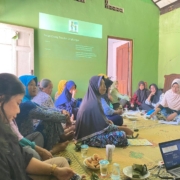
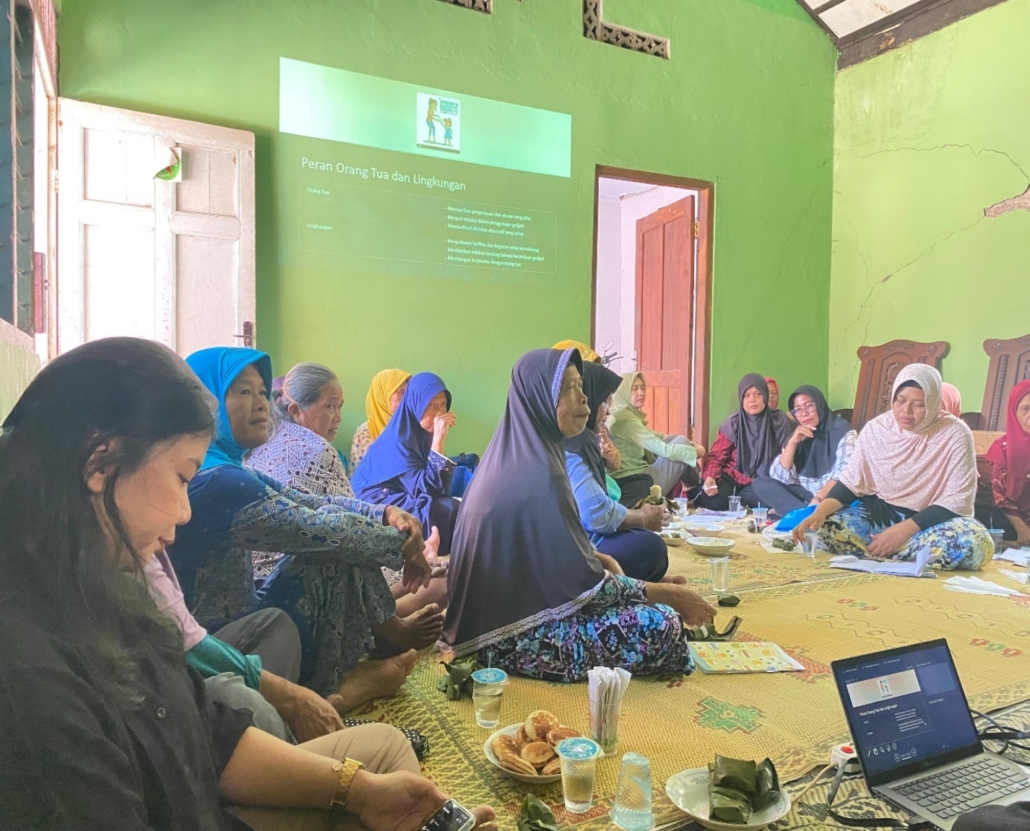
Therefore, through the Real Work Lecture (KKN) work program of ‘Aisyiyah University Yogyakarta by group 35 Kembang Margosari Kulon Progo, we conducted counseling activities on the dangers of gadgets in children which were carried out on August 25, 2024 with the target being PKK mothers totaling 30 people.
There were 9 students involved in the counseling event, namely, Anggayudha Al-aziz, Fernanda Rosmayanti, Sri Wulandari, Melda Aura Chintia, Lili Asnawiyah, Nabila Yusriya, Julita Mutiara, Katrin Septia Rini, Panggih Alfarisy.
There are several impacts caused by gadget addiction in children:

  1. Physical Impact
  2. Vision Problems: Prolonged exposure to screens can cause eyestrain, headaches, and damage to the child’s eyes.
  3. Sleep Disorders: Use of gadgets before bedtime can disrupt the quality and duration of a child’s sleep.
  4. Obesity: Children who are addicted to gadgets tend to be less physically active and gain weight.
  5. Psychological Impact
  6. Depression: Kids who are addicted to gadgets are at risk of depression and low self-esteem.
  7. Anxiety: Dependence on gadgets can lead to anxiety when the child cannot access them
  8. Attention Deficit Hyperactivity Disorder (ADHD): Excessive gadget use can interfere with a child’s ability to concentrate on tasks at hand.
  9. Social Impact of Gadget Addiction
  10. Social Isolation: Children who are addicted to gadgets tend to withdraw from social interactions in the neighborhood.
  11. Poor Communication: The child has difficulty in establishing effective communication with the people around them
  12. Poor Relationships: Gadget addiction can disrupt a child’s relationship with family and friends.

Therefore, it is important to provide knowledge about the impact of gadget addiction on children and as parents must also pay attention to their children by giving time to play gadgets besides that parents can also play with children, and can also provide more useful activities for children.
Parents can also use a positive approach by providing rewards or incentives for children who successfully reduce gadget use and do alternative healthier activities. These rewards can be in the form of praise, small gifts, or special activities with the family. In addition, parents should set an example by managing their own gadget use wisely, showing that family time and non-digital activities are valuable.
With a consistent and positive approach, children will be more motivated to adopt healthy and balanced digital habits, creating fun and gadget-free daily routines, such as reading a book together before bed or taking a walk in the afternoon can also reinforce these good habits.
In addition, the environment and government must also pay more attention to the problem of gadget addiction if it is increasingly allowed to damage current and future generations. Hopefully, with this counseling, especially for parents, they can be more selective and pay attention to their children so as to reduce the number of gadget addiction in children.

Tags: aisyiyah, banggamenjadiunisa, beunisa, gadget, unisayogya

Kerjasama

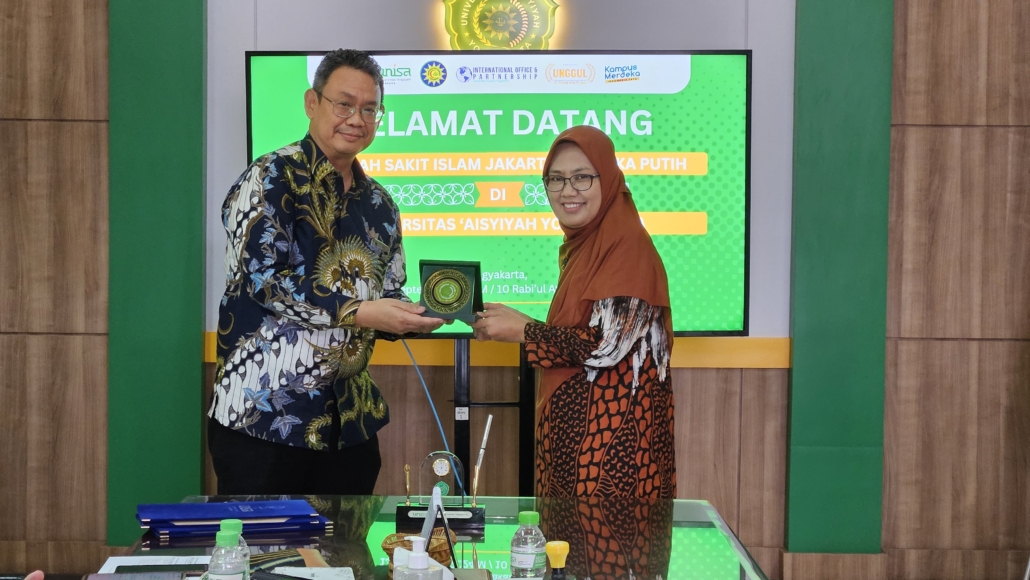
Universitas ‘Aisyiyah (UNISA) Yogyakarta and Jakarta Islamic Hospital (RSIJ) Cempaka Putih signed a cooperation agreement that aims to support the implementation of the Tri Dharma of Higher Education within the framework of Merdeka Belajar Kampus Merdeka (MBKM), professional internships, and graduate empowerment. The signing ceremony took place at UNISA Yogyakarta and was attended by the Rector, Vice Rector, Deans, Head of Cooperation and International Affairs Bureau and Head of Public Relations and Protocol Bureau.

Cooperation

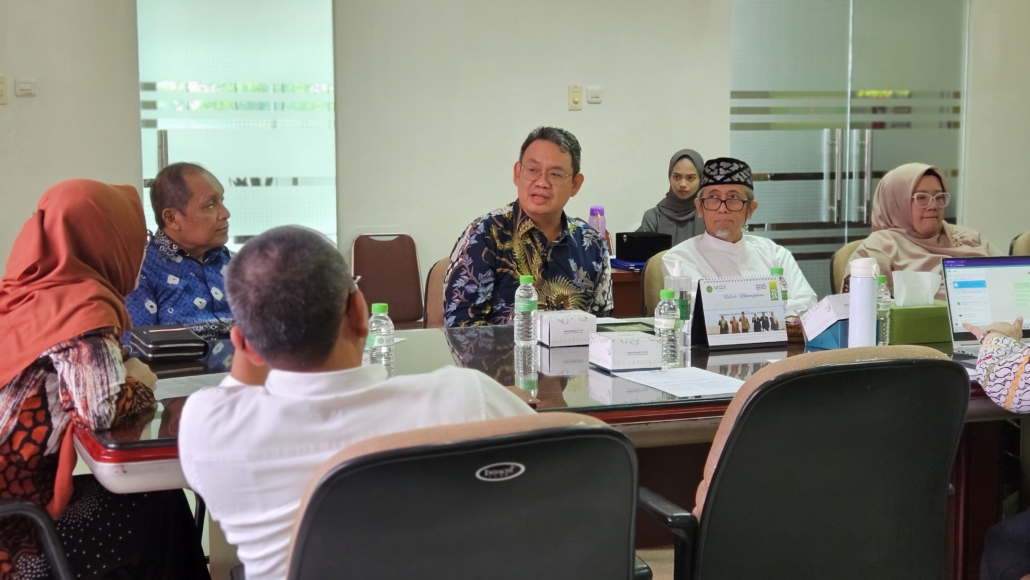
The Rector of UNISA Yogyakarta, Dr. Warsiti, S.Kp., M.Kep., Sp.Mat, in her speech expressed her pride for this collaboration. “We are honored and proud to be asked to collaborate by RSIJ Cempaka Putih. This collaboration provides a positive opportunity for 21 study programs in UNISA Yogyakarta to network with hospitals,” she said.
Dr. Warsiti also emphasized the importance of optimizing the utilization of resources from Muhammadiyah ‘Aisyiyah Universities (PTMA) to support the operations of Muhammadiyah hospitals, including RSIJ Cempaka Putih.
Meanwhile, the President Director of RSIJ Cempaka Putih, dr. Pradono Handojo, MBA, MHA, highlighted the importance of renewing some resources in the hospital. “Some resources need to be replaced. If graduates already have STRs, why not work in our place? There should be closeness between the university as a source of knowledge and the hospital as a source of patients,” he said.
Dr. Pradono also explained that RSIJ Cempaka Putih has 26 polyclinics, with physiotherapy as one of the busiest services, serving around 300 patients per day. In addition, he also highlighted the challenges of replacing administrative and social workers, many of whom are elderly, and the importance of collaboration to produce a more competitive workforce in the next five years.
During the discussion, the Chairman of RSIJ Cempaka Putih’s Board of Trustees, Dr. Agus Syamsudin, shared his vision to strengthen the cooperation between the university and the hospital. “I have a dream to synergize the Higher Education Council and the Health Council, but more specifically, between the faculty and the hospital,” he explained.
Furthermore, Dr. Agus explained several important points in this collaboration:

  1. The creation of a joint roadmap, which is planned to begin early next year. This roadmap will map out the strengths of UNISA and RSIJ Cempaka Putih to be synergized, including the revitalization of medical rehabilitation services which is expected to be completed by January 2025.
  2. The internship program is supported by RSIJ Cempaka Putih’s training center which has been certified by the Ministry of Health. The concept is one training institution that can be done anywhere.
  3. A take and give collaboration where universities need practice, and hospitals need new studies and innovations.
  4. The target in 2026 is to collaborate research from UNISA and system improvements at RSIJ.

This collaboration is expected to be a strategic step in supporting the development of higher education and health services, while increasing the empowerment of UNISA Yogyakarta graduates in the health sector.

Tags: aisyiyah, banggamenjadiunisa, beunisa, kerjasama, unisayogya