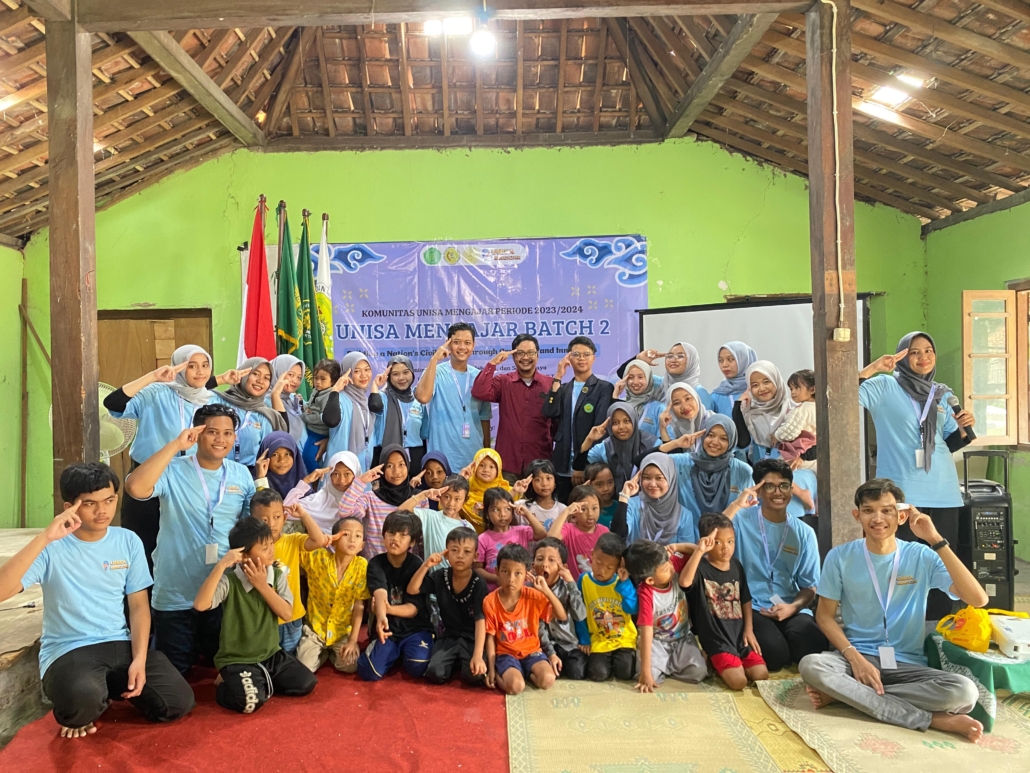
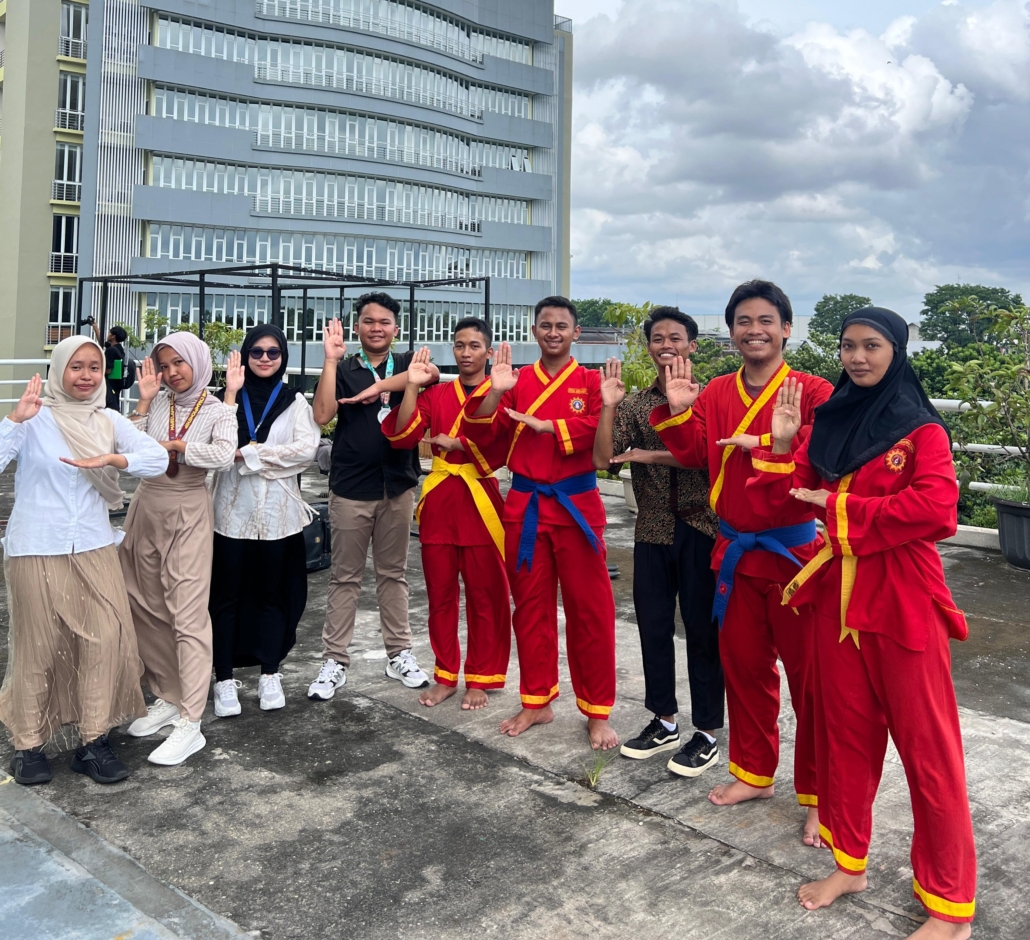
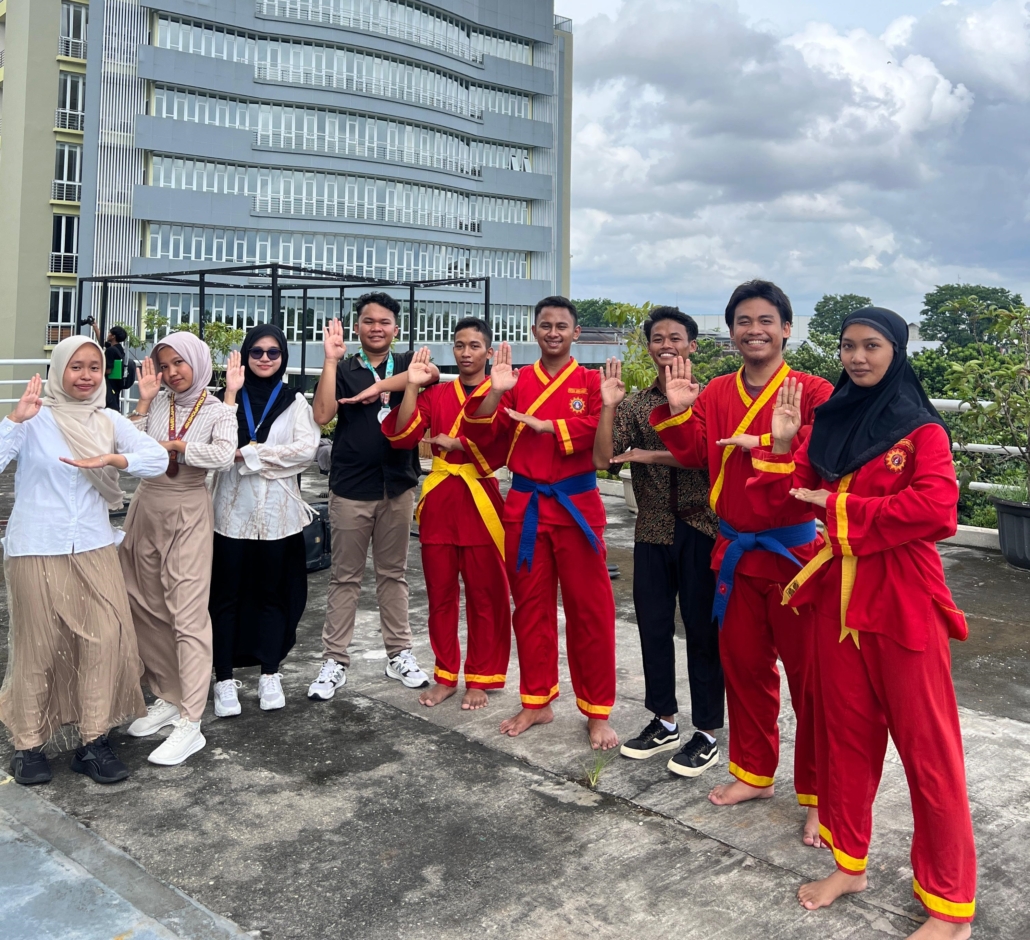
Universitas ‘Aisyiyah (Unisa) Yogyakarta held another Unisa Teaching program at Omah Gamelan, Rajek Wetan Hamlet, Tirtoadi, Mlati, Sleman, Sunday (5/1/2025). This activity is part of the second wave of Unisa student service programs, with the main focus on empowering the education of golden age children.
The program, which was initiated by the Ministry of Education, Sports, and Cultural Arts of BEM KM Unisa Yogyakarta, involves representatives of Unisa students who concentrate on making a real contribution to early childhood development. The students not only provide teaching, but also strive to create a fun and interactive learning atmosphere. Various creative methods are applied, such as educational games, the use of pictures, and children’s songs, to optimally stimulate children’s cognitive and social development.
The focus on the golden years was chosen because it is a crucial period in a child’s development. Proper stimulation at this age will have a significant impact on their future development. Through Unisa Teaching, Unisa students strive to provide a strong foundation for Rajek Wetan children to achieve a better future.
Unisa Yogyakarta 2023/2024 Student President, Esa Jongko Budi Angkoso, said that this program is a tangible manifestation of the commitment of Unisa students to improve the quality of education and have a positive impact on the nation’s next generation.
“This program is a tangible manifestation of the commitment of Unisa students in improving the quality of education as well as having a positive impact on the generation that will be the future hope of the nation,” said Esa.
Unisa Teaching activities received a warm welcome from the Rajek Wetan Padukuhan. Dukuh Rajek Wetan, Widiarto, represented by PKK cadre, Yulia Syarifah, gave a positive response and hoped that this program could be sustainable.
“We would like to thank Unisa Yogyakarta students who have organized Unisa Mengajar. We hope this activity can continue in the future,” said Yulia.
The second wave of the Unisa Teaching program not only focuses on teaching activities, but also on empowering the surrounding community. This is realized by involving PAUD teachers and PKK cadres in Rajek Wetan Padukuhan to support the desire for educational activities for children of growing age. The involvement of the surrounding community is important to ensure this program has a long-term and sustainable impact.
This activity proves that Unisa students do not only focus on academic theory on campus, but also play an active role in community development through inclusive and equitable education. Unisa Teaching is a place for students to apply the knowledge gained in college and make a real contribution to society.
https://media.unisayogya.ac.id/wp-content/uploads/2024/01/Logo-Unisa_Horisontal_bg_putih.png00adminhttps://media.unisayogya.ac.id/wp-content/uploads/2024/01/Logo-Unisa_Horisontal_bg_putih.pngadmin2025-02-08 13:33:182025-02-08 13:35:31Unisa Teaching: Focus on Empowering Early Childhood Education
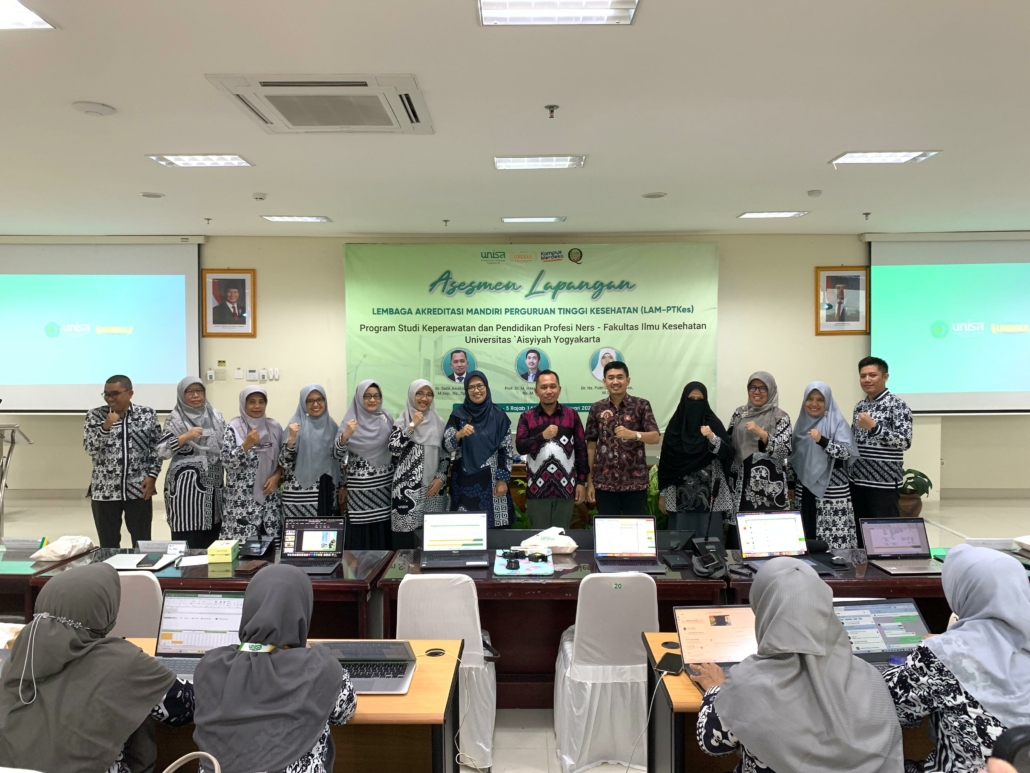
The Nursing and Nursing Professional Education Study Program of the Faculty of Health Sciences (FIKes) of Universitas `Aisyiyah (UNISA) Yogyakarta underwent a field assessment by a team of assessors from the Institute for Self-Accreditation of Higher Education in Health (LAM-PTKes) on January 2-5, 2025. This assessment is an important part of UNISA Yogyakarta’s ongoing efforts to improve the quality of nursing education and ensure its graduates have superior competence.
The assessment process, which took place in the courtroom of the Siti Moendjijah building, involved three assessors appointed by LAM-PTKes, namely Dr. Sidik Awaludin, S.Kep., M.Kep., Ns., Sp.Kep.MB, Prof. Dr. M. Hasinudin, S.Kep., Ns., M.Kep, and Dr. Ns. Putri Dafiani, S.Kep., M.Sc. These three assessors are tasked with conducting direct assessment and verification of various aspects of study program implementation, ranging from curriculum, facilities, human resources, to quality assurance systems.
The Rector of UNISA Yogyakarta, Dr. Warsiti, S.Kp., M.Kep., Sp.Mat, in her opening remarks expressed pride in UNISA’s long experience in providing nursing education. She emphasized that UNISA graduates have spread and contributed to various health care facilities, which is a great asset for the development and strengthening of the campus.
“Our graduates, wherever we are and visit health care facilities, there we will meet UNISA alumni. And this is our big capital, as a way to strengthen and grow this campus,” said Warsiti.
Furthermore, Warsiti emphasized UNISA’s commitment to continuously improve quality through internal quality assurance mechanisms through Internal Quality Audit (AMI) and external accreditation. The Rector of UNISA explained that accreditation is not just an evaluation, but also an opportunity for reflection and improvement.
Accreditation is an important process for universities to ensure the quality of education they provide. For UNISA Yogyakarta’s Nursing Study Program and Professional Nursing Education, this field assessment by LAM-PTKes is an important momentum to demonstrate its commitment and quality in producing professional and competent nursing staff. The results of this assessment are expected to provide a comprehensive picture of the quality of the study program and provide recommendations for improvement and development in the future.
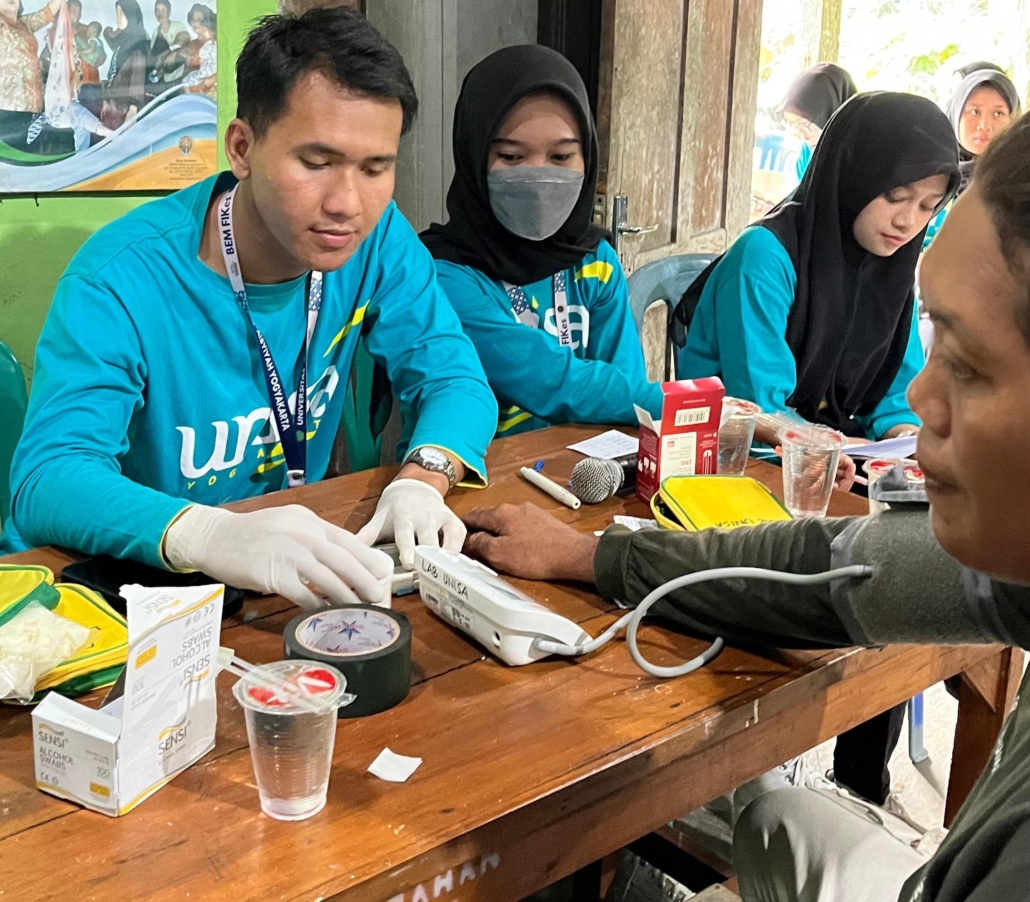
The Student Executive Board (BEM KM) of Universitas ‘Aisyiyah (UNISA) Yogyakarta held a free medical check-up for the people of Rajek Wetan Hamlet, Tirtoadi, Mlati, Sleman, D.I. Yogyakarta. The event, which was held on Sunday (29/12) at Omah Gamelan Rajek Wetan, was a tangible manifestation of BEM KM UNISA’s commitment to improving public health awareness and welfare.
The activity, which was enthusiastically welcomed by the residents of Rajek Wetan, began with gymnastics together to wake up the body, followed by a series of comprehensive health examination services. The services provided included anthropometric and blood pressure checks, blood sugar, cholesterol, uric acid, Body Mass Index (BMI) checks, physiotherapy checks, and direct consultation with doctors from the Faculty of Medicine, UNISA Yogyakarta.
This event was a collaborative effort, involving BEM FIKes UNISA and Dr. Adlina Karimina, Head of the Medical Study Program at the Faculty of Medicine UNISA. Support was also provided by Yayasan Yatim Mandiri Yogyakarta and DT Peduli Jogja, strengthening the synergy to have a wider impact.
Sagiffa, chairman of the Health Check committee, expressed his hope that this activity could help early detection of potential health problems in the community. He also expressed his gratitude to various parties who have supported the event, including the Dukuh Rajek Wetan, BEM FIKes, YM Jogja Foundation, and DT Peduli Jogja.
“We hope this health check can help early detection of potential health problems. We would also like to thank Mr. Dukuh Rajek Wetan, our friends from BEM FIKes, YM Jogja Foundation, and DT Peduli Jogja as our collaboration partners,” said Sagiffa.
The spirit of collaboration was also expressed by Ilham, Governor of BEM FIKes UNISA 2023/2024. He expressed his gratitude to BEM KM UNISA for the opportunity to collaborate and emphasized the importance of this activity as a form of community service, in line with the Chess Dharma of Muhammadiyah ‘Aisyiyah Universities.
“Thank you to BEM KM UNISA for inviting collaboration with us, students of the Faculty of Health Sciences. This is an opportunity to spread benefits and the application of the Catur Dharma of Muhammadiyah ‘Aisyiyah Universities, namely community service,” said Ilham.
A positive response also came from Mr. Widiarto, Dukuh Rajek Wetan, who expressed his appreciation for the benefits felt by the residents. He also recalled UNISA Teaching activities that had previously been carried out in Rajek Wetan Hamlet.
“We would like to thank the UNISA students for coming back to Rajek Wetan. Previously, there had been UNISA Teaching activities. We wish you success in your studies and continue to benefit the wider community,” said Widiarto.
UNISA Yogyakarta Student President 2023/2024, Esa, emphasized that this activity is a concrete manifestation of the UNISA student movement in providing benefits to the community, especially in the health sector. He emphasized that BEM KM UNISA not only provides health services, but also shows social responsibility for the welfare of the community.
“This health check is a realization of the UNISA Yogyakarta student movement in providing benefits to the community, especially in the health sector,” said Esa.
https://www.unisayogya.ac.id/en/wp-content/uploads/sites/16/2025/02/pemeriksaan-kesehatan-bem-jan-4.jpg9021030adminhttps://media.unisayogya.ac.id/wp-content/uploads/2024/01/Logo-Unisa_Horisontal_bg_putih.pngadmin2025-02-07 14:11:472025-02-07 14:42:48BEM KM UNISA Holds Free Health Checkup in Rajek Wetan Hamlet, Raising Public Health Awareness
UNISA Yogyakarta Holds Open Trip 2024 Program: “The Thrill of Being an UNISA Yogyakarta Student”
Universitas ‘Aisyiyah (UNISA) Yogyakarta has once again stolen the spotlight with its innovative program, Open Trip 2024 entitled “The Thrill of Being an UNISA Yogyakarta Student”. This program is aimed at high school students from all over Indonesia who want to experience being a UNISA Yogyakarta student while enjoying the beauty of the cultural city, Yogyakarta.
This competitive Open Trip program invites students to write an essay on why they are interested in UNISA Yogyakarta and the study program they are interested in. From hundreds of applicants, six best participants were selected from various regions, namely Bengkulu, Lampung, Majalengka, Lamongan, Banjarnegara, and Yogyakarta.
The activity lasted for three days, from December 26 to 28, 2024. The participants were invited to experience the atmosphere of lectures at UNISA Yogyakarta, get to know campus life more closely, and interact directly with lecturers and students. In addition, they were also invited to tour various iconic tourist destinations in Yogyakarta, creating a pleasant memorable experience.
Participants of this program receive various attractive benefits, such as accommodation, transportation, and pocket money during the activity. This program not only provides insight into the world of college, but also strengthens friendships between students from various regions.
The Rector of UNISA Yogyakarta, Dr. Warsiti, S.Kp., M.Kep., Sp.Mat expressed her hope for this program. “We want the participants to be able to experience the college experience at UNISA Yogyakarta. We also hope that they can share these positive stories with their family and friends at school later, so that more and more people will recognize UNISA Yogyakarta as a superior and innovative higher education option,” said Warsiti.
The Open Trip 2024 program is a tangible proof of UNISA Yogyakarta’s commitment in supporting the development of the potential of Indonesia’s young generation through a creative and inspiring approach. By presenting this kind of program, UNISA Yogyakarta continues to demonstrate its position as a campus that not only focuses on academic education, but also on the holistic experience of students.
https://www.unisayogya.ac.id/en/wp-content/uploads/sites/16/2025/02/open-trip-2-jan-1.jpg9401030adminhttps://media.unisayogya.ac.id/wp-content/uploads/2024/01/Logo-Unisa_Horisontal_bg_putih.pngadmin2025-02-07 14:04:192025-02-07 15:17:24UNISA Yogyakarta Holds Open Trip 2024 Program: “The Thrill of Being an UNISA Yogyakarta Student”
Until 2024, the Central Bureau of Statistics (BPS) notes that Indonesia still imports five major food commodities, namely rice, beef, garlic, corn and sugar. This high dependence on food imports often triggers inflation and burdens the national economy. For this reason, efforts to preserve and develop local food need to be prioritized, especially through sustainable food diversification to support food independence, economic stability and national food security. However, efforts to preserve and increase local food production are not easy. Policies and programs to diversify local food consumption that have long been implemented have not shown significant results in increasing local food consumption. The main challenges include limited availability of local food due to prolonged drought, uncompetitive prices, and inconsistent product quality as there are no quality standards for local food.
Food Security
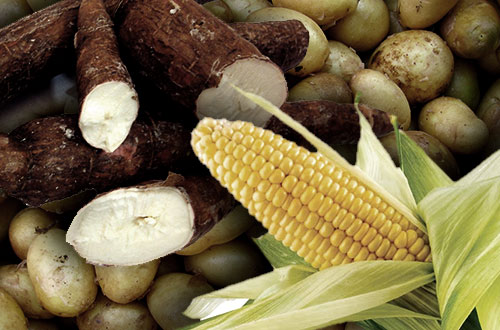
According to data from the National Food Agency and the Ministry of Agriculture in 2019, Indonesia has 77 species of local food plants that are sources of carbohydrates, fats, proteins, as well as various types of vegetables, fruits, and spices. Some examples of potential local food commodities include:
Cassava
Sweet potato
Banana
Corn
Breadfruit
Ganyong
Sago
Pumpkin
Arrowroot/ arrowroot/current/selarut tubers
Taro
Suweg/iles-iles/porang
Gadung
Gembili
Sorghum/cantel
From the many examples of potential local foodstuffs available in the community, according to the National Food Agency, people’s consumption patterns are still not diverse, nutritionally balanced and safe, which means that energy consumption from grains, oils, fats and animal foods still exceeds ideal consumption. In contrast, tubers, nuts, and vegetables and fruits are still lower than the expected food pattern standard. This shows that not all local foods are widely studied or cultivated by the community. If we only rely on one commodity, it means that we do not appreciate the diversity and richness of our biological resources. To encourage the development of local food, a comprehensive strategy is needed, including:
First, an approach with the utilization of food processing technology carried out by changing the original form of local food and enriching its nutritional value in order to improve the image of local food, directed at certain segments of society that adjust to a practical lifestyle of presentation and processing, in collaboration with universities and research institutions. For example, analog rice from corn, sago, cassava, porang, etc.
Second, the approach of maintaining local wisdom towards the local food pattern culture. This is done through socialization and promotion in order to be confident that local food consumption patterns are very wise to maintain both in terms of health and cultural preservation. For example, making embal from Maluku, Rasi in Cirendeu, thiwul in Java, Sinonggi and Kabuto in Southeast Sulawesi, etc.
Third, expanding promotion and increasing consumer preference for local food through modification or innovation of food products that can eliminate boredom for consumers. In addition, the utilization of information technology such as marketplaces and social media can be used as a form of marketing strategy to expand product promotion. The government has a crucial role in encouraging the promotion of local food ingredients. The lack of support from the government can lead to low public awareness of the importance of local food consumption.
The Special Region of Yogyakarta itself has great potential in the development of local foods, such as sweet potatoes, cassava, ganyong, arrowroot tubers, and corn. These carbohydrate-rich foods can be processed into staple foods, such as sweet potato klepon, taro getuk, ganyong getuk, and lethek noodles. In addition, Yogyakarta’s local fruits, especially salak pondoh, are processed into products such as dodol salak, manisan salak, salak chips, and various other foods. Other local fruits, such as yellow kepok banana and kluthuk banana, despite their low selling value, can still be maximized into more attractive and value-added processed products.
Collaboration between farmers, government and the private sector is the key to developing and marketing local food effectively. With an integrated approach, local food is expected to become the backbone of sustainable national food security.
Then, what is the role of the community in supporting local food? According to Dr. Riska Purnama, a lecturer at one of the state universities as well as a local food activist in Yogyakarta, by buying food commodities produced by local farmers that are widely sold in traditional markets, as well as choosing processed food products typical of a region, in addition to supporting local food can also drive the regional economy. Also, buying vegetables and fruits according to the season that are easily available, will reduce the risk of adding preservatives because it does not require a long trip. In addition, by consuming staple foods other than rice, it becomes one of the ways to diversify food independently. Last but not least, don’t forget market snacks sold on the side of the road, most of which use local ingredients, such as sengkulun, lupis, gathot, getuk, kipo, jamu gendong, and many more. With these simple steps, the community not only supports the sustainability of local food, but also contributes to the preservation of culinary culture and the overall strengthening of the regional economy.
By: Dinar Mindrati Fardhani, Ph.D (Lecturer in Biotechnology at UNISA Yogyakarta)
https://www.unisayogya.ac.id/en/wp-content/uploads/sites/16/2024/11/ketahanan-pangan.jpg330500adminhttps://media.unisayogya.ac.id/wp-content/uploads/2024/01/Logo-Unisa_Horisontal_bg_putih.pngadmin2024-12-16 11:11:072025-01-31 15:01:00Local Food Potential For National Food Security